LA County launches Palisades Fire recovery financing District
By Barbara Burke · Thu Jan 08 2026
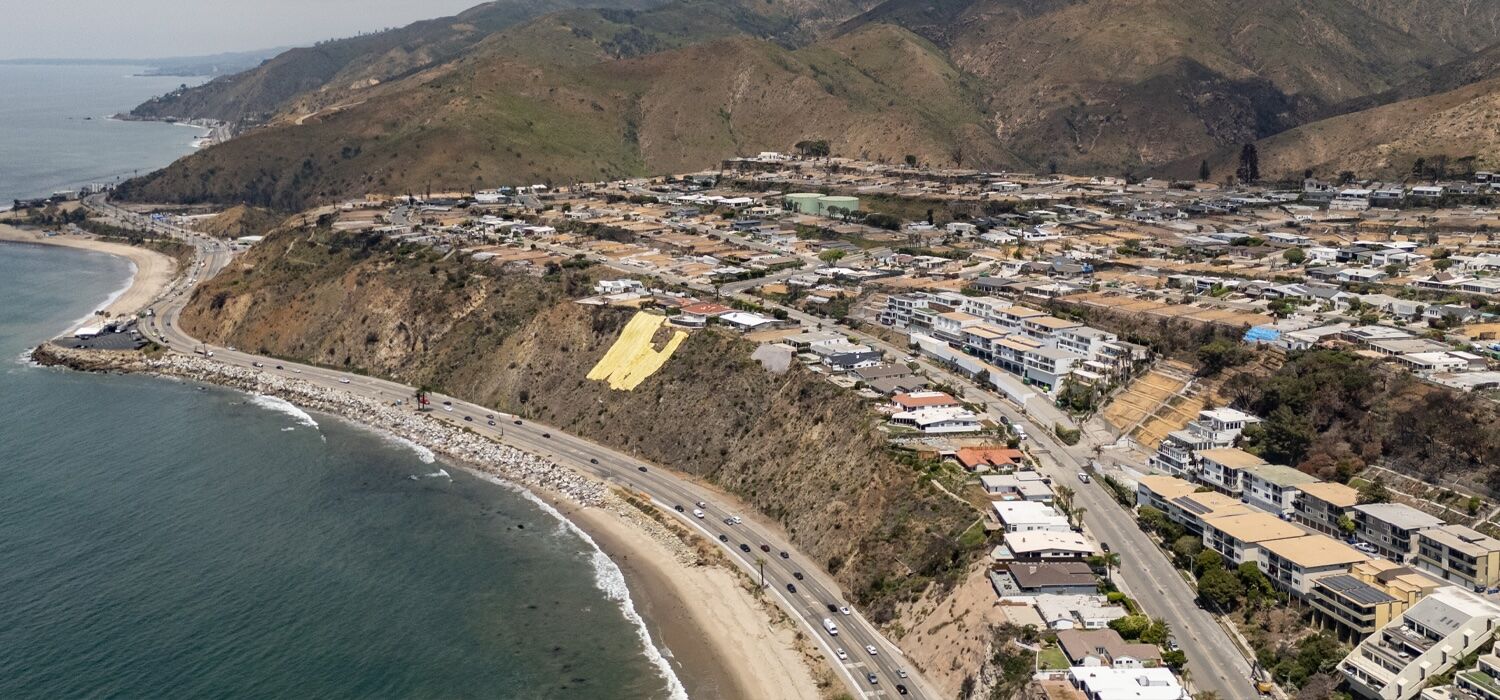
The new district will fund critical infrastructure rebuilding using future property tax growth — without raising taxes
As elected officials and policy leaders strive to create and utilize innovative ways to help fund rebuilding projects after the Palisades Fire, the Los Angeles County Board of Supervisors has established an Unincorporated Santa Monica Mountains Wildfire Disaster Recovery Financing District to help pay for critical infrastructure projects.
Many readers may think, “Oh dear, they’ve increased our taxes again!” However, the district will fund such improvements without adding any new taxes or fees for property owners. The district will be funded by increased, also known as “incremental,” property taxes collected by the county in the district area that exceed the amount of property taxes collected in a base year, 2025. The infrastructure improvements include the rebuilding of damaged infrastructure, including street improvements, water and sewer projects, fire safety improvements, other utility projects and long-term climate resilience — pivotal needs identified after the January 2025 disaster, according to the Infrastructure Financing Plan.
The Los Angeles County Board of Supervisors voted on Nov. 18, 2025, to establish the district as well as a separate body, a governing board, called the Unincorporated Santa Monica Mountains Wildfire Disaster Recovery Financing District Public Financing Authority. The authority will oversee the district and will address infrastructure improvements set forth in the plan. The authority also will be responsible for implementing the projects included in the plan and will potentiallyissue bonds in the future. The new law mandates that the district’s governing board must include residents, business owners or property owners from the impacted area so as to ensure local input into what projects will be funded by the financing authority.
“This action reflects Los Angeles County’s commitment to a full, locally driven recovery at a time when significant federal disaster assistance has not materialized,” said Supervisor Lindsey P. Horvath in a press release issued after the Board passed the motion to create the district. “We need every resource available to rebuild now. By investing locally generated revenue in the unincorporated Santa Monica Mountains, we’re unlocking a valuable resource to ensure our public infrastructure matches our 21st-century climate reality. Each dollar we invest is a commitment to helping families return home and restoring the infrastructure they rely on every day.”
The district’s organizational structure and comparatively short establishment timeline was possible because Gov. Gavin Newsom signed SB 782 in October. SB 782 authorizes creating disaster recovery districts that are quicker to form than other climate resilience districts by providing a streamlined process bypassing some standard financing rules that differ from those governing the formation of infrastructure financing districts whose adoption process is more time-consuming, taking up to two years, according to the press release. SB 782 was passed because elected officials recognized the need to quickly rebuild critical infrastructure in Southern California after the Palisades and Eaton fires. The bill limits the use of the district’s revenue to spending monies for projects relating to a disaster for which the governor has declared a state of emergency, including repairing or replacing buildings, low- and moderate-income housing, facilities, structures, or other improvements within the district that have been damaged or destroyed by a disaster and mitigating the risk of a disaster.
Going forward, public meetings are required as decisions regarding which infrastructure improvements will receive funding and the district’s representatives must consult with affected taxing entities. A webpage for the District can be viewed at recovery.lacounty.gov.