Driving Change: A New Year's resolution we can't afford to break
By Michel Shane · Thu Jan 08 2026
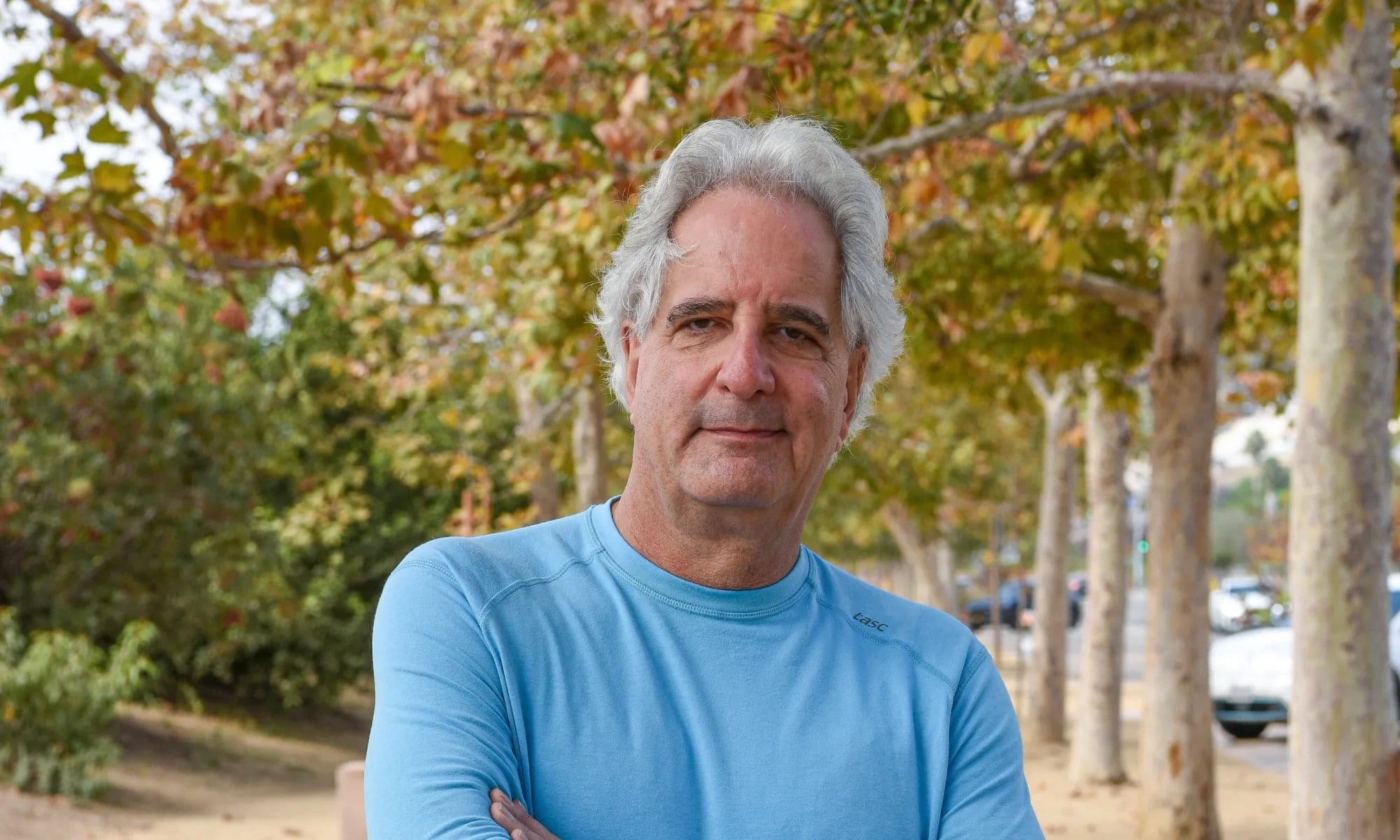
By Michel Shane, Opinion Columnist
Happy New Year, Malibu. As we turn the page on 2025, I carry the same hope we all share: fewer empty chairs at dinner tables, and fewer families shattered by preventable tragedy. For the first time in years, I have reason to believe that hope might materialize into something concrete.
In December, California launched the FAST pilot program, led by CalSTA Secretary Toks Omishakin, DMV Director Steve Gordon, and CHP Commissioner Sean Duryee. When a driver is caught going over 100 mph, the citation triggers immediate DMV review independent of court proceedings. The result is swift, certain consequences, what Omishakin calls "bold, data-driven action" to confront what Duryee describes as "video game-styled" driving.
Citations for 100-plus mph increased 92.5% in 2020 compared to 2019 and never came back down. In 2024, CHP issued over 18,000 such citations, averaging 1,600 monthly. On PCH, drivers treat the road like a private racetrack.
FAST modernizes California's Negligent Operator Treatment System by creating an "emergency bypass." A single 100-plus mph citation triggers immediate review. The state backs this with 100 new patrol vehicles that generated 33,000 speed citations in six months.
But FAST is just chipping away at the problem. We need to go much further.
Recently, I spoke with Burt Ross, former mayor of Fort Lee, New Jersey, and now a Malibu resident. He told me about something that changed his driving forever. In December 1955, Connecticut Gov. Abraham Ribicoff announced automatic license suspensions for any speeding conviction. Thirty days for the first offense. Sixty days for the second. Indefinite suspension after the third.
Burt experienced Ribicoff's program firsthand as a driver. It changed his behavior permanently, which is precisely the point. Speeding arrests dropped 53%. Deaths declined. Ribicoff proved that harsh, automatic penalties actually rewire how people drive.
California needs its own Ribicoff moment. Automatic license suspensions that escalate with each violation. Severe penalties for driving without a license. No wiggle room. No judicial delays. Just consequences harsh enough that people actually change their behavior.
Malibu's City Council needs to act now. State Sen. Ben Allen was instrumental in passing SB 1297, and he terms out this year. Two City Council seats are up for election. Council members ran on making PCH safer. Here's their moment to prove it wasn't campaign rhetoric.
The City Council needs to leverage Allen, our lobbyists, and every Sacramento connection we have, and push for comprehensive legislation: automatic, escalating license suspensions for dangerous speeding. Drive 20 mph over the limit, lose your license for 90 days on first conviction. Drive 30 mph over, lose it for six months. Drive 40 mph over or 100-plus mph, lose it for a year. Second offense? The penalties double. Third offense? Indefinite suspension.
We have a 21-mile corridor where people are dying. Where residents are terrified every time they pull onto PCH. Where our children are learning to drive, watching speeders treat the highway like a racetrack and internalizing that this is normal. Which is why we also need to work with youth to change that mindset before they ever get behind the wheel.
The state has already shown it's willing to move. They've deployed 100 new patrol vehicles, secured $2.6 million in federal grants, given us speed cameras through SB 1297, and committed $55 million from Caltrans. What's missing is a united Malibu voice demanding they finish what they started.
This isn't about revenue. When you drive at speeds that can kill, you're choosing your gratification over everyone else's survival. That choice should have consequences.
Ribicoff showed us what courage looks like 70 years ago. Now Malibu's City Council needs to show that same courage.
As we raise our glasses to 2026, let's make one resolution we keep: Malibu leads the fight for legislation that actually saves lives. Because the cost of doing nothing isn't measured in inconvenience, it's measured in funerals.
I don't want to write another New Year's column hoping for fewer deaths. I want to write one celebrating that Malibu forced Sacramento to act, and our children learned to drive on a highway where speeding actually has consequences.
Happy New Year, Malibu. Let's make it count.