Multi-agency fuel reduction project near Topanga uses strategic mosaic burns to lower wildfire risk, improve ecosystem health, and revive a land management practice rooted in Indigenous tradition
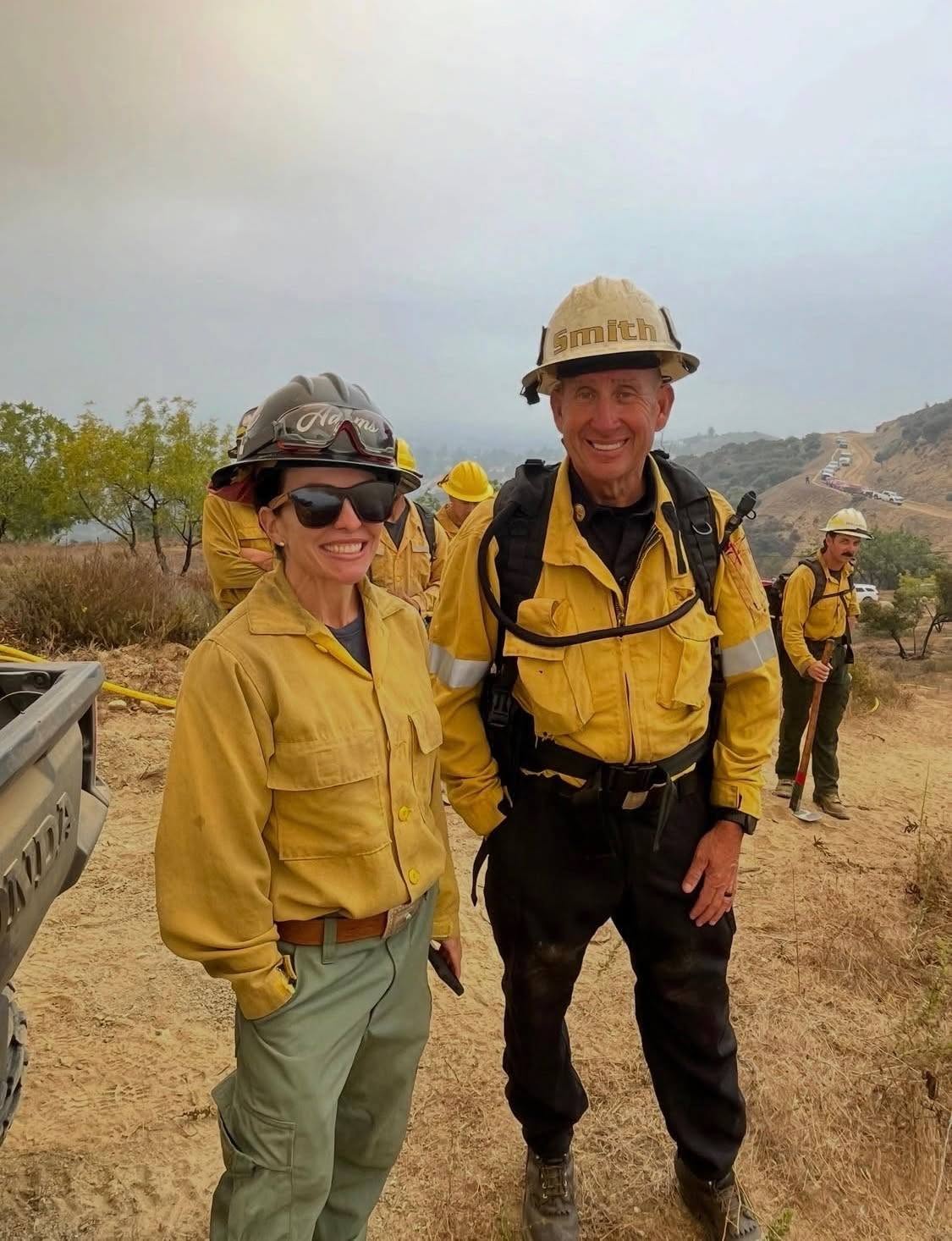
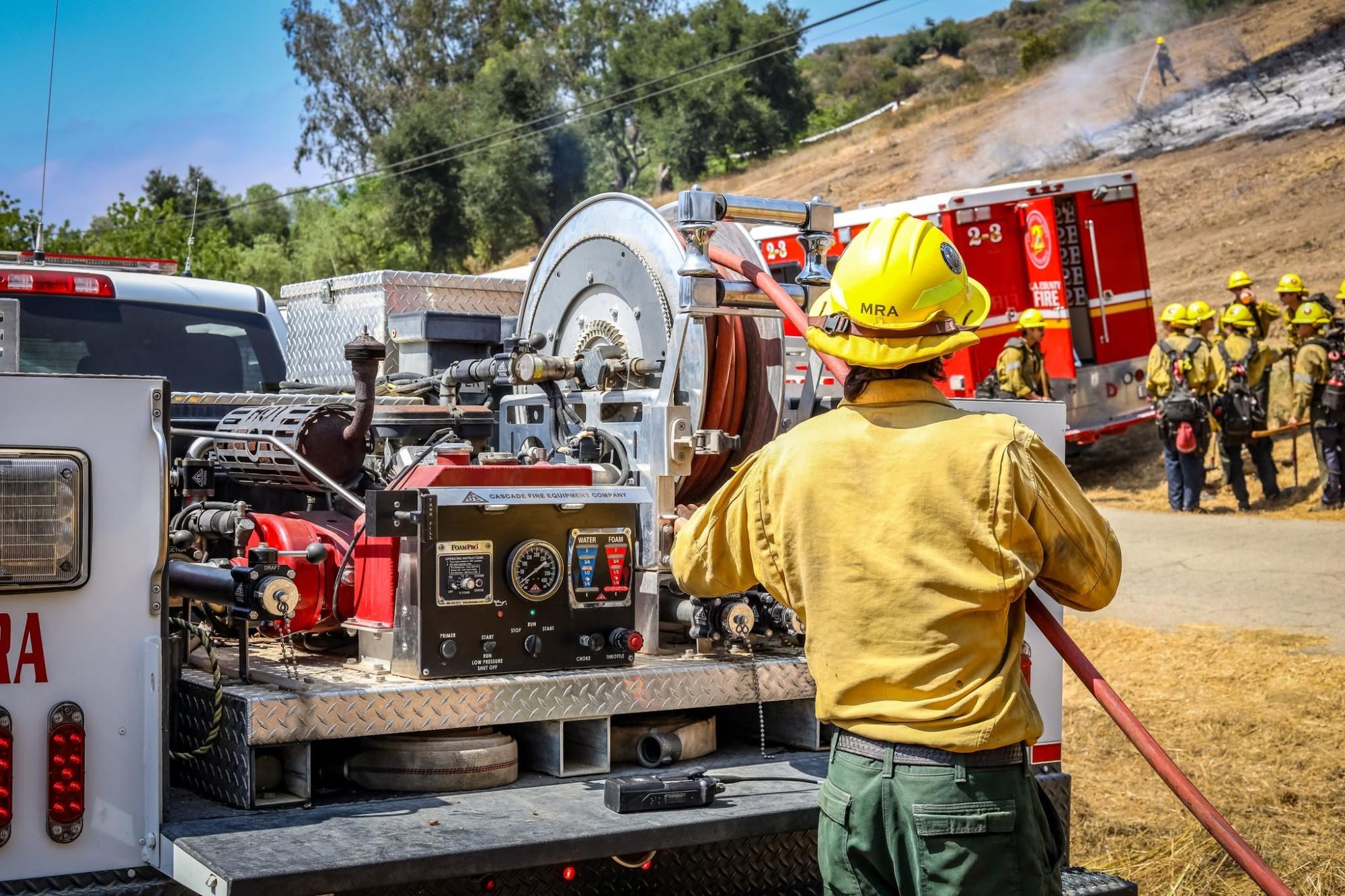
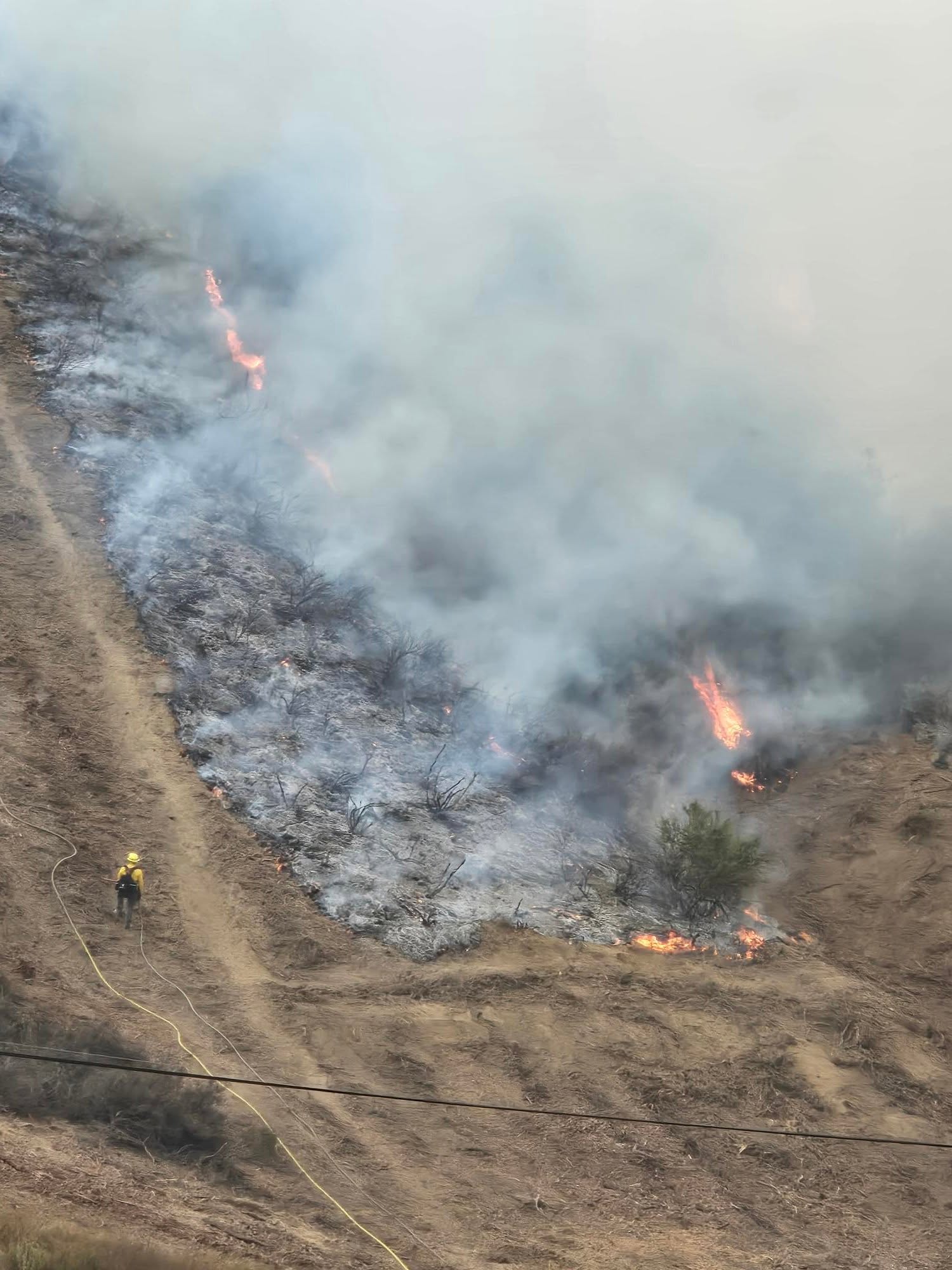
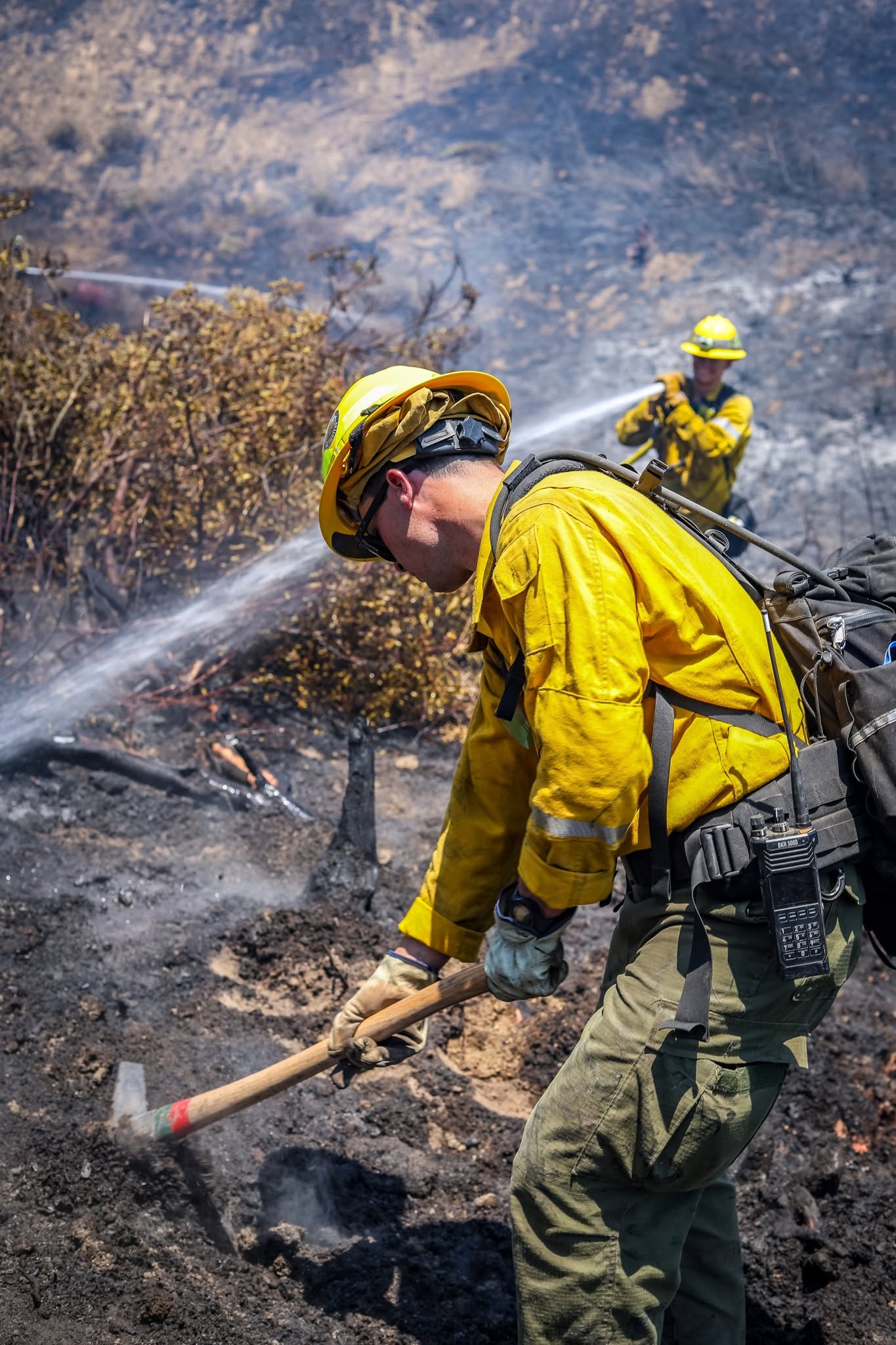
A multi-agency prescribed plot burn on June 26 conducted near Santa Maria Road and Mulholland Road in the Santa Monica Mountains above Topanga employed a mosaic burning approach to reduce hazardous fuels, improve ecosystem health, and strengthen wildfire resilience across the region, according to officials at The Mountains Recreation and Conservation Authority, an agency that oversees quite a bit of the Santa Monica Mountains, including the area where the prescribed burn was conducted above Topanga.
In its postings on local social media, the MRCA noted that additional prescribed plot burns for targeted fuel management were conducted on April 17 and 20.
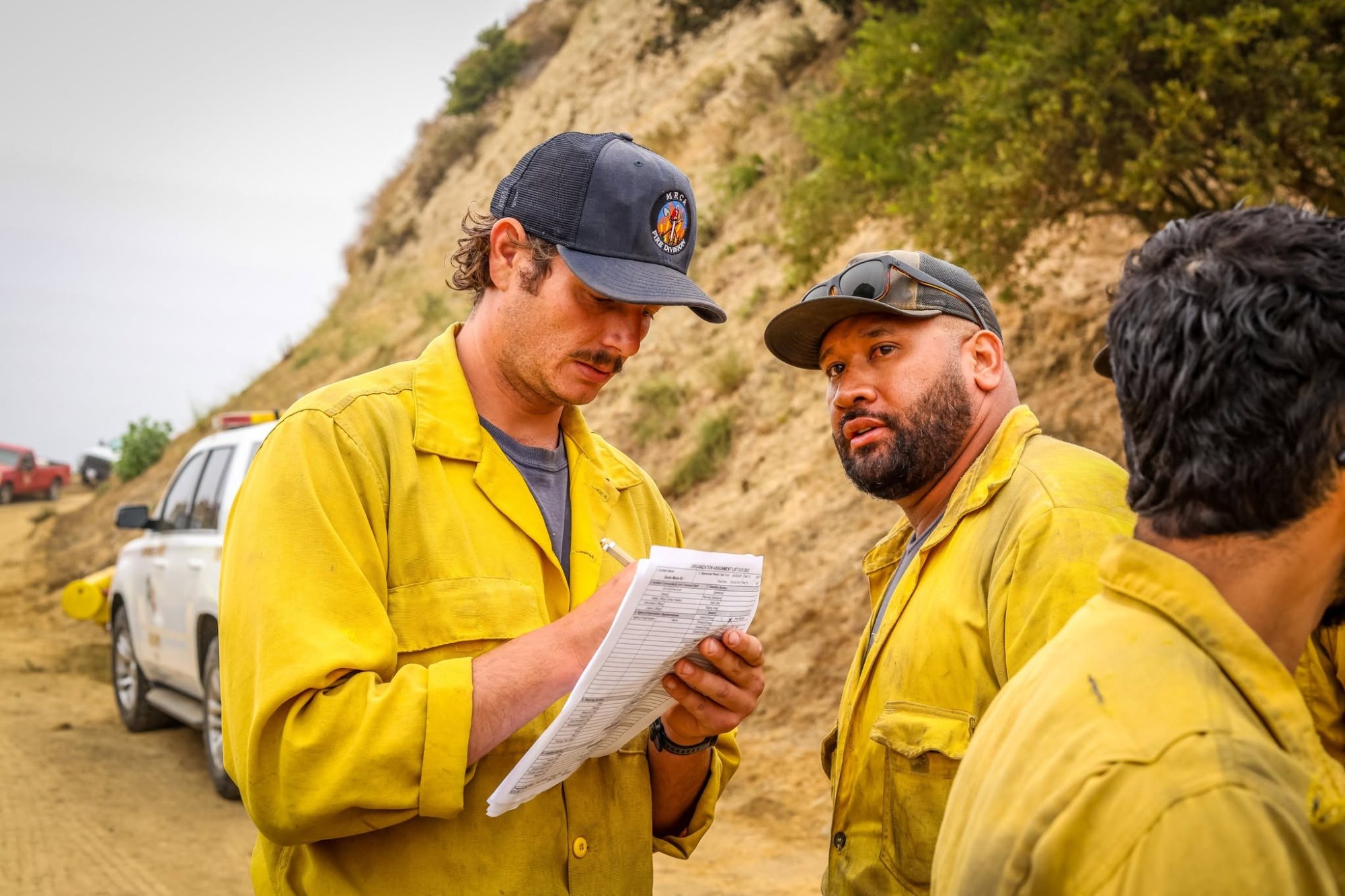
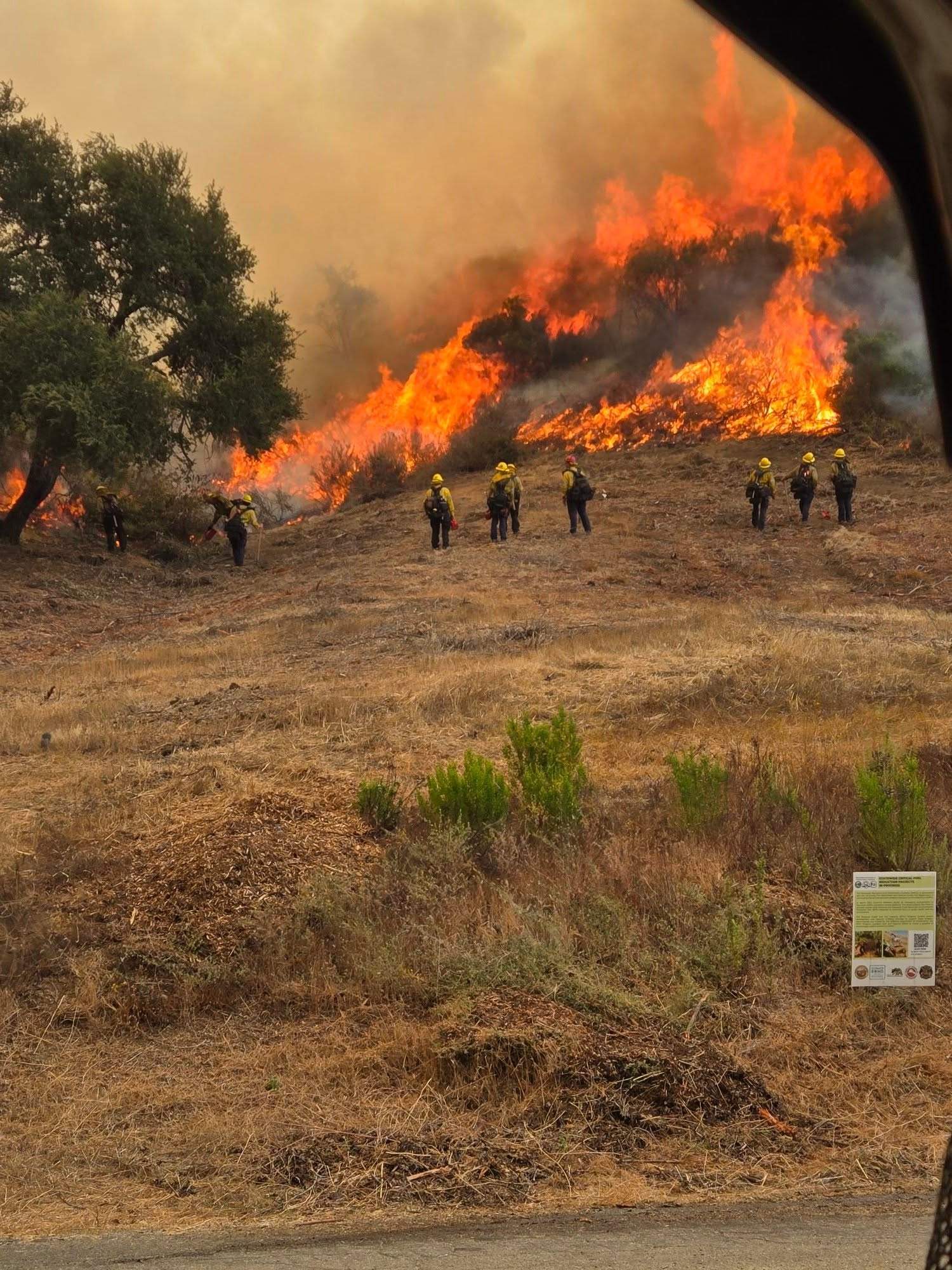
The prescribed burn in June was conducted one plot at a time using a mosaic burning approach, creating a patchwork of burned and unburned vegetation across the landscape. The agency assured local residents by informing that fire crews remained on site throughout the operation, “under a Chief-approved burn plan and incident action plan to ensure safety and containment.” The MRCA stated that the “project consisted of five treatment plots on approximately 53 acres of land managed by MRCA,” and that MRCA “coordinated the prescribed burn with the Los Angeles County Fire Department and the Los Angeles City Fire Department, which served as the lead agency for the operation.”

The MRCA also informed that, “the project was supported in part by Proposition 4, the California Climate Bond, administered through the Santa Monica Mountains Conservancy.”
Alerting residents in its postings on social media, the MRCA noted that during the controlled burn, “Smoke may be visible between 9 a.m. and 6 p.m. and temporary road closures may occur in the area.” The agency emphasized that the project, “is part of ongoing regional efforts to reduce wildfire risk and enhance community protection through strategic fuel management.”
Members of the Community Brigade also participated in the controlled burn, according to local resident Roisin O’Brien, who noted that many neighbors were really happy with regard to the crews’ attention to detail during the prescribed burn and that crew members even went so far as to monitor the area for a week after the burn.
“As a community, we need more efforts like this in the Santa Monica Mountains to keep us safe,” O’Brien declared.
Lessons from the past: Chumash Indians’ 'good fires' on ancestral lands in and near Malibu
Scholarship from the University of California, Santa Barbara’s Open Space Project and other academic resources indicates that for centuries, if not millenia, the Chumash utilized targeted burns to protect and maintain their ancestral lands. Their indigenous principles evinced that such controlled burns, which they characterized as “good fires,” served several purposes. Not only did they use the practice to prevent dangerous wildfires by reducing dry, flammable brush, they also conducted good fires to clear space for hunting, manage vegetation, control invasive species and to promote the growth of crucial food, medicinal plants, and grasses the tribe utilized for basketry.
As a practical matter, and perhaps unwittingly, the MRCA and other agencies now utilizing a prescribed burn strategy are helping to revive such long-established and effective practices on the very grounds that the Chumash and the Tongva tribes once lived.
Of course, controlled burns are only one method available in the communal tool box to mitigate brush that can ignite a wildfire that can rapidly become an inferno and a catastrophe. The MRCA and several other public entities, as well as local homeowners associations, are also ensuring that structures and their surroundings are as fire-hardened and resilient as possible through the creation of fire-wise certified communities. Using grazing goats is, as many readers may already know, ideal for clearing brush. Moreover, following established guidelines relative to shrubbery destruction near structures helps to create defensible spaces.
Clearly, as the indigenous peoples who preceded local populations no doubt knew, it takes a village to protect lands and structures thereon. However, there is some debate concerning the wisdom of prescribed burns. The California Chaparral Institute argues that using prescribed burns in native shrublands does not fulfill ecological needs and causes damaging short fire intervals. Pointing to an event in Yellowstone in 1998, some critics assert that such fires can occasionally jump containment lines, threatening homes and property. Other opponents assert that prescribed fires pollute the air. Such opponents maintain that it would be better to invest in new technologies to address dry brush concerns in fire-prone areas.