Driving Change: The $55 million crossroads, or why Nov. 3 will define Malibu’s next 20 years
By Michel Shane · Sun Nov 02 2025
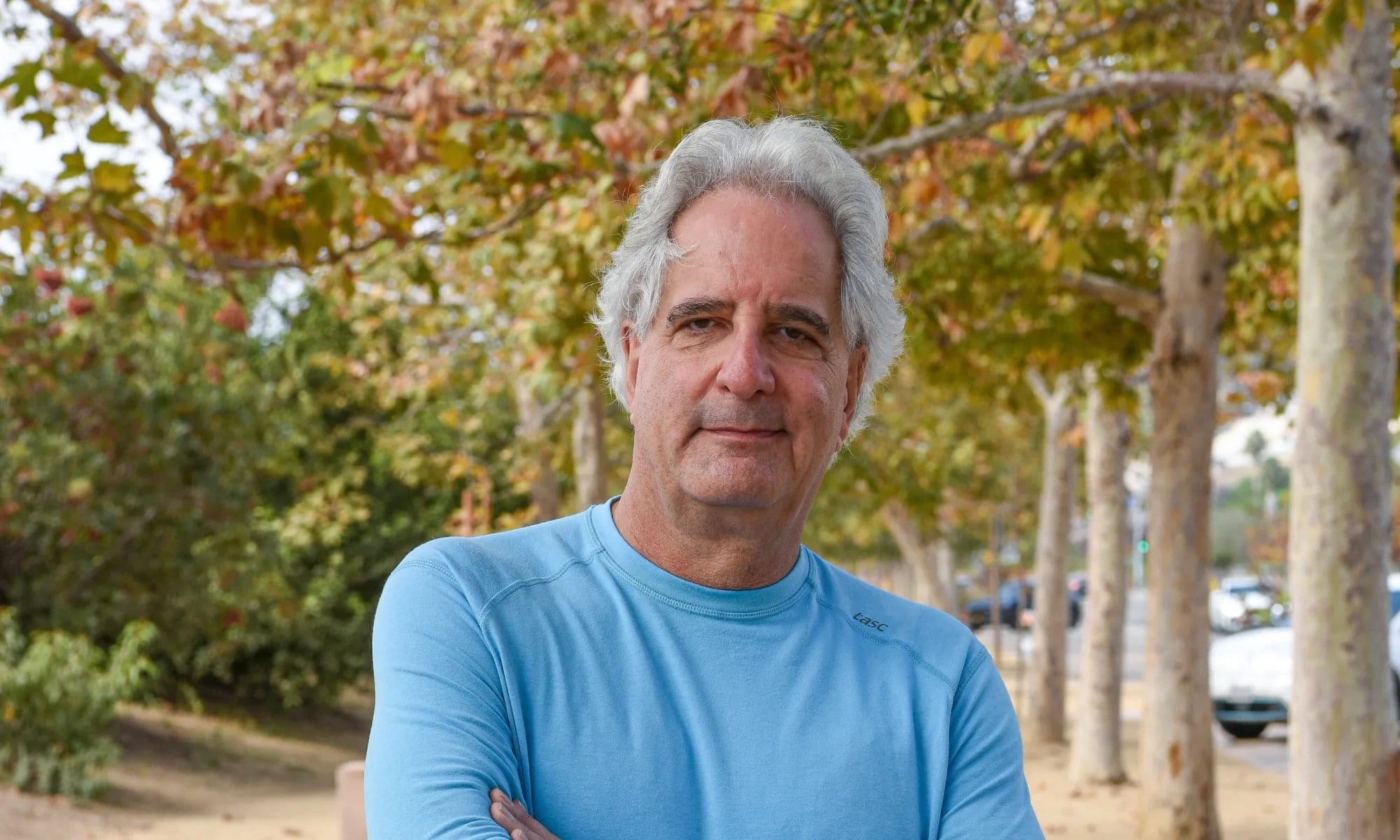
By Michel Shane, Columnist
I had an exciting week. On Tuesday, I was invited to hear County Supervisor Lindsay Horvath speak about her re-election. Lindsay is a fantastic ally for us, and even though our community is small, we put a lot of energy and attention into supporting her. She’s someone who follows through on her promises, and I really respect that. I would vote for her anytime, anyplace.
This isn’t a political column. My concern is about safety and PCH, and that’s really what this is all about.
Last week, we remembered a tragic anniversary: the deaths of the four Pepperdine students. That was a wake-up call that apparently wasn’t loud enough.
This is our last real opportunity — not a once-in-20-years event, but a once-in-a-lifetime chance — to invest $55 million in rebuilding PCH. Yet, we seem to behave as if we have endless time to discuss it.
I attended my first Planning Commission meeting to speak about what should be the most obvious decision in Malibu’shistory, except we’re somehow turning it into another exercise in bureaucratic paralysis.
Here’s what the commissioners seem to be missing: 80% of this project is repaving. The road is getting torn up anyway.
Let me be crystal clear about what this means: If we approve this project, Caltrans will completely reconstruct the road surface. The asphalt will be ripped up, utilities will be exposed, and the entire corridor will be in active construction for 500 days. Caltrans will tear up and rebuild the entire road surface — and since they’re doing that massive reconstruction anyway, adding safety improvements costs almost nothing extra, but if we reject the project, the whole thing disappears.No rebuilding. No repaving. No safety improvements. Nothing. The road stays exactly as deadly as it is today.
Rob Dubois, director of public works for the City of Malibu, has told me they have a fantastic working relationship with Caltrans and will work to make the two-year construction timeline feasible for our needs. Kids will still get to school. The disruption will be minimal and well-managed. This isn’t some pipe dream — it’s a collaborative effort between agencies that actually want to solve problems together.
The economic reality is staggering:
- Implementing bike lanes, safety improvements, and smart parking solutions during scheduled reconstruction: minimal additional cost.
- Implementing the same improvements without this project: impossible — there will be no other reconstruction project to piggyback on.
- Our current approach: spending $55 million to rebuild the exact same death trap we have today.
We are literally paying to recreate our problems — for the last time we’ll ever get the chance to fix them.
When you’re already rebuilding the kitchen, you don’t leave the plumbing in the wrong place just because it’s easier. But that’s exactly what we’re doing, and we’ll wait 20 years to fix it.
Caltrans could simply abandon this project and reallocate the funds to another city that would appreciate it — especially since these funds come from a segment of California’s government battling a $1.6 billion shortfall. If we don’t act now, this chance will disappear permanently. The funding will be gone, and the project will cease to exist. We can’t afford to wait two decades for another opportunity — there is no alternative.
Perfection is the enemy of life-saving
In any negotiation, there is give and take. No one ever gets 100% of what they want. Some commissioners have concerns about specific details — the lighting design, the sidewalk placement, the bike lane configuration. These are legitimate concerns that deserve attention. But here’s the thing: we can address these details AFTER we say yes to the project. We don’t have to choose between perfect and nothing. We can choose good now and work toward better together.
Let’s talk about the lighting. Caltrans has already addressed dark sky compliance in the installation of lights that are absolutely necessary. We’ve all lived here long enough to know how dangerous it gets at night. One person told me they always miss their turnoff because it’s so dark there’s no way to see where they’re going. If the lighting is compliant with our dark sky needs, where exactly is the argument?
And the sidewalk from Malibu Canyon to John Tyler? Caltrans told me it will be rural in nature — not a city sidewalk. They don’t want to wreck Malibu any more than we do. But we’ve got to get to a place where this works.
We need to say yes to this life-saving project and then work collaboratively with Caltrans to refine the details. The lighting can be adjusted. The sidewalk design can be tweaked. The bike lanes can be optimized. But only if we first secure the funding and the opportunity to make these improvements.
I’ve compromised and gotten promises that things will be done to make it at least safer. The road will be narrowed, giving us space. We’re bringing in the Blue Highway ferry system that will revolutionize coastal access. Did I get the bike lanes I wanted? No. But I’m an adult and understand that sometimes you have to do what is good for the group and not the individual. We have comprehensive solutions that work together — but only if we act while the infrastructure is already being rebuilt.
We have until Nov. 13, and then this all goes away. Forever. Not delayed. Not postponed. Gone.
The moral choice
Missing this opportunity means accepting deadly conditions indefinitely. There is no Plan B. There is no next funding cycle. There is no "try again later." This is it.
Yes, Malibu should be rural; no one is arguing that. But we are not in the 1950s. After losing over 700 homes in fires, after the Pepperdine tragedy, after years of preventable deaths, we need to be realistic. We need to change, adapt, and create an environment that may not be 100% of what we want, but is enough to keep people alive while preserving the Malibu we love. Caltrans has committed to making its improvements blend with our environment. Caltrans wants to workwith us on this.
The trolley system connecting centralized parking to beaches and local spots? The continuous bike lanes? The Blue Highway ferry integration? These aren’t compromises of Malibu’s character — they’re the evolution of it. They recognize that protecting paradise means making it accessible and safe for everyone, not just those willing to risk their lives on a dangerous highway.
The Nov. 3 Planning Commission meeting will determine whether we seize this final opportunity or watch it disappearforever.
This doesn’t have to be adversarial. We all want the same thing: a safer PCH that preserves Malibu’s character. The path forward is to approve the project and then work together — commissioners, City Council, Caltrans, and residents — to make sure every detail serves our community’s needs.
Every day we delay, every meeting we waste debating solutions that have already been designed to meet our concerns, more people roll the dice on PCH, and some of them lose.
The brutal reality
If the commissioners can’t agree, or if the City Council doesn’t approve it, the project dies permanently. The $55 million disappears. Caltrans moves on to communities that want to be saved. We will have chosen death over inconvenience, and we’ll live with that choice for the rest of our lives.
I feel like someone hitting their head against a wall. Am I a lone voice crying out in the wilderness? I’m not in government. No one’s paying me to do this. I do this because I’ve lived through the most devastating loss imaginable on that road — and I refuse to watch it happen to another family when we have the power to prevent it.
You live with an empty chair and tell me it doesn’t destroy you every time you pass it.
If we don’t act now and stay paralyzed like we’ve been known to do, then every drop of blood that continues to spill on PCH is on the hands of everyone who could have spoken up but chose comfortable silence over uncomfortable action.
If we are so stupid and self-involved with our vision of what Malibu should be that we miss this opportunity, then we’refools. Worse, we’re fools with blood on our hands.
The infrastructure window is open now. Agencies are cooperating. The solutions address our concerns. Funding has been allocated. The timeline is manageable. Every objection has been anticipated and addressed, and although some willdislike it, delaying this would harm our future in every way.
What more do we need? This is our last chance to stop the anniversaries. After Nov. 3, every death on PCH will be blood we chose to spill.
How many more families shattered? How many more years of watching paradise become a killing field because we couldn’t accept good enough when perfect was never an option?
Show up on Nov. 3. Speak up. Make noise. Demand action.
The road is getting rebuilt either way. Let’s build it right, or live with the consequences of our inaction forever.
Because in 20 years, when the next family buries their child on PCH, there won’t be a next set of commissioners or a next reconstruction project. There will only be the memory of Nov. 3, 2025 — the day Malibu chose to keep killing people rather than accept help.
The choice is ours. The moment is now. Miss it, and there is no tomorrow.
You can reach me at 21milesinmalibu@gmail.com