Study finds lasting health impacts from Palisades Fire
By Judy Abel · Wed Jan 07 2026
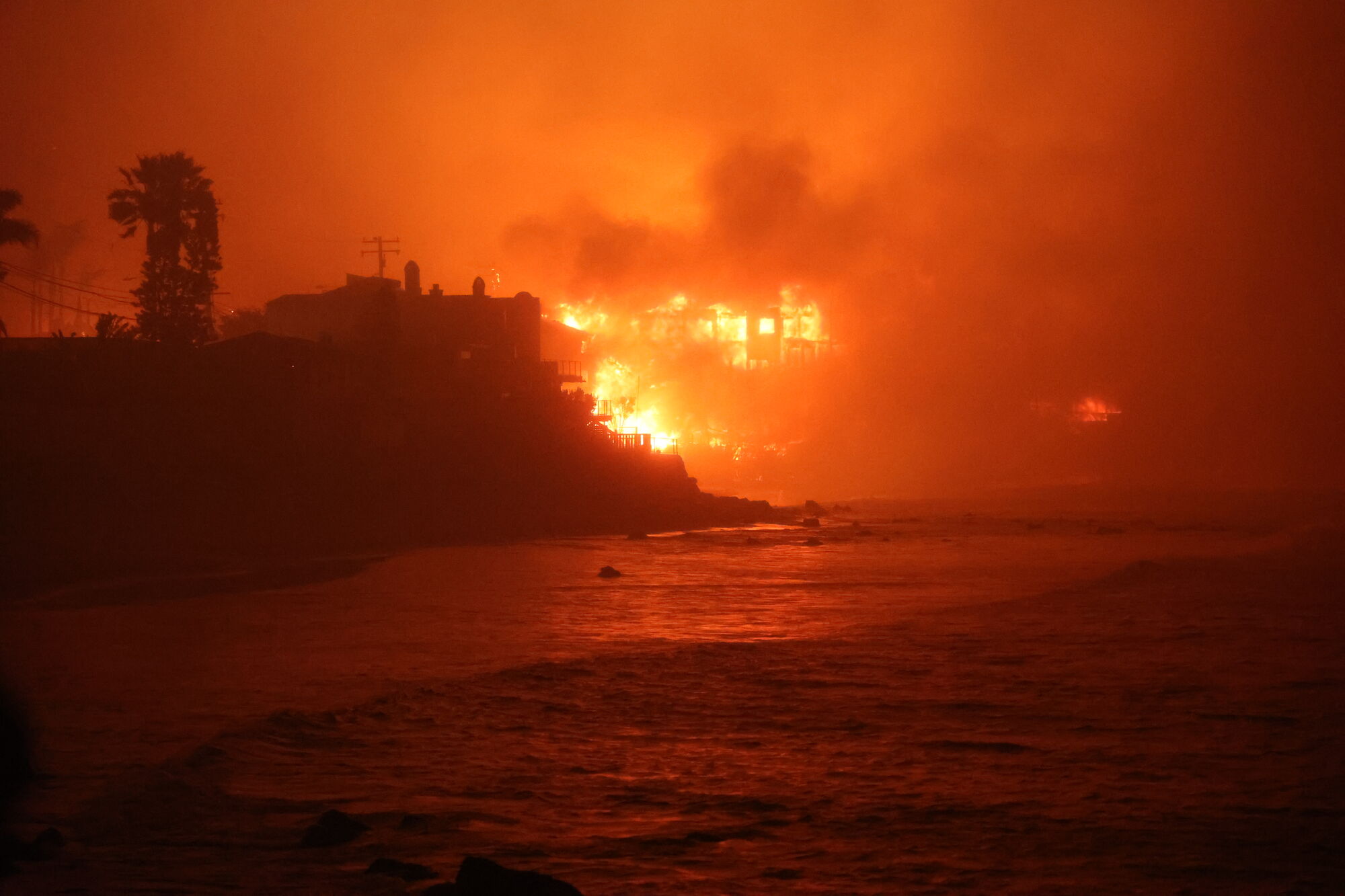
New research reveals prolonged heart, lung, and systemic health effects for Malibu residents
A year after the Palisades Fire tore through Malibu and Pacific Palisades, new research suggests its health impacts were deeper, broader, and longer-lasting than previously understood. Local residents may continue to feel the effects long after the smoke has cleared.
A study published in the Journal of the American College of Cardiology found sharp increases in heart attacks, lung illnesses, and unexplained medical symptoms among residents living in or near wildfire burn areas following the January 2025 Palisades and Eaton fires. The analysis was conducted by researchers at Cedars-Sinai Medical Center, the largest hospital system in Los Angeles County, using emergency department data spanning seven years for comparison.
While Malibu-specific data was not isolated in the study, Malibu neighborhoods were among those directly affected or adjacent to the Palisades Fire burn zone, making the findings especially relevant to the community.
According to the study, emergency department visits for heart attacks increased by 46 percent in the three months following the fires, compared with the same period in previous years. Visits for pneumonia and other pulmonary illnesses rose 24 percent. Even more striking was a 118 percent increase in patients arriving with serious symptoms — such as chest pain, dizziness, or abdominal pain — that could not immediately be linked to a clear diagnosis.
“These weren’t just respiratory complaints,” said Dr. Susan Cheng, vice chair for research affairs at Cedars-Sinai’s Smidt Heart Institute and the study’s senior author. “We saw evidence of biochemical and metabolic stress affecting multiple organ systems.”
Blood tests from these patients showed unusual abnormalities at more than double the normal rate, including electrolyte imbalances and subtle changes in kidney and liver function. While the total number of emergency visits did not increase overall, the nature of those visits shifted sharply toward acute and serious conditions.
For Malibu residents, the findings raise concerns about prolonged exposure to wildfire smoke, particularly from fires that burn not only vegetation but also homes, vehicles, electronics, and other common man-made materials.
“The Palisades Fire was unique,” said Dr. Joseph Ebinger, a Cedars-Sinai cardiologist and the study’s lead author. “It wasn’t just trees and brush burning. It was cars, batteries, plastics, electronics — a toxic stew that exposed a very large population to complex pollutants.”
Wildfire smoke is a major source of fine particulate matter known as PM2.5 — particles small enough to penetrate deep into the lungs and even cross into the bloodstream and brain. Researchers say smoke from urban-interface fires like the Palisades Fire contains a higher proportion of ultrafine particles than smoke from traditional wildland fires, increasing the potential for systemic health effects.
Previous studies have linked wildfire smoke to respiratory illness and cardiovascular events, but the Cedars-Sinai research identified something new: a sustained rise in unexplained illnesses lasting for at least three months after the fires.
“This tells us we’ve probably been missing a lot of illness that hasn’t been appropriately attributed to smoke exposure,” said Dr. Mary Johnson, a principal research scientist at Harvard’s T.H. Chan School of Public Health, who was not involved in the study. “We’re just beginning to understand how these mixed-material fires affect human health.”
The length of the impact also stood out. Many wildfire health studies show spikes in emergency visits lasting about a week. In this case, elevated rates persisted for 90 days.
“That’s a substantial length of time,” said Joan Casey, an environmental epidemiologist at the University of Washington. She noted that evacuation stress, disrupted healthcare access and prolonged poor air quality likely compounded the effects.
“There are people who are still coming to our clinics and saying, ‘I still don’t feel quite right,’” Cheng said.
Officially, 31 people are known to have died directly from injuries sustained in the Palisades and Eaton fires. However, researchers believe the true toll is significantly higher when accounting for deaths linked to smoke exposure and healthcare disruptions.
A separate analysis published earlier this year in the Journal of the American Medical Association estimated 440 excess deaths in Los Angeles County in the weeks following the fires. A Stanford University team attributed at least 14 additional deaths specifically to smoke exposure.
Over the past decade, wildfire-related air pollution has reversed years of air quality improvements achieved under the Clean Air Act. For coastal communities like Malibu, where topography can trap smoke and evacuation routes are limited, the health risks can be particularly acute.
The Cedars-Sinai study is part of a 10-year research collaboration tracking the long-term health consequences of the Palisades and Eaton fires. Researchers hope the findings will inform public health planning, emergency response, and long-term monitoring for communities repeatedly exposed to wildfire smoke.