Answering the call to save lives
By Judy Abel · Fri Jul 31 2026
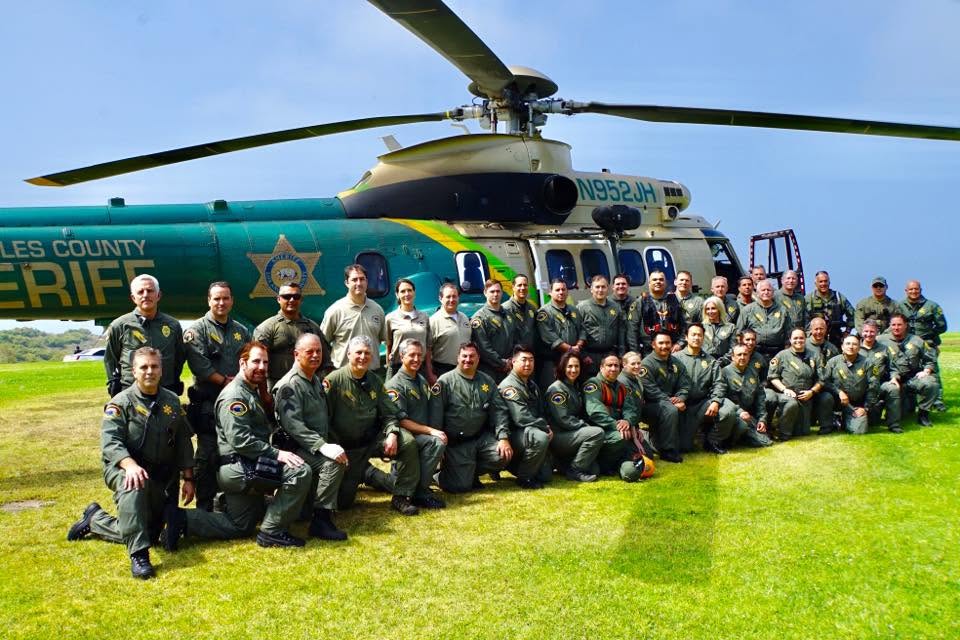
Malibu Search and Rescue about to celebrate 50 years of service
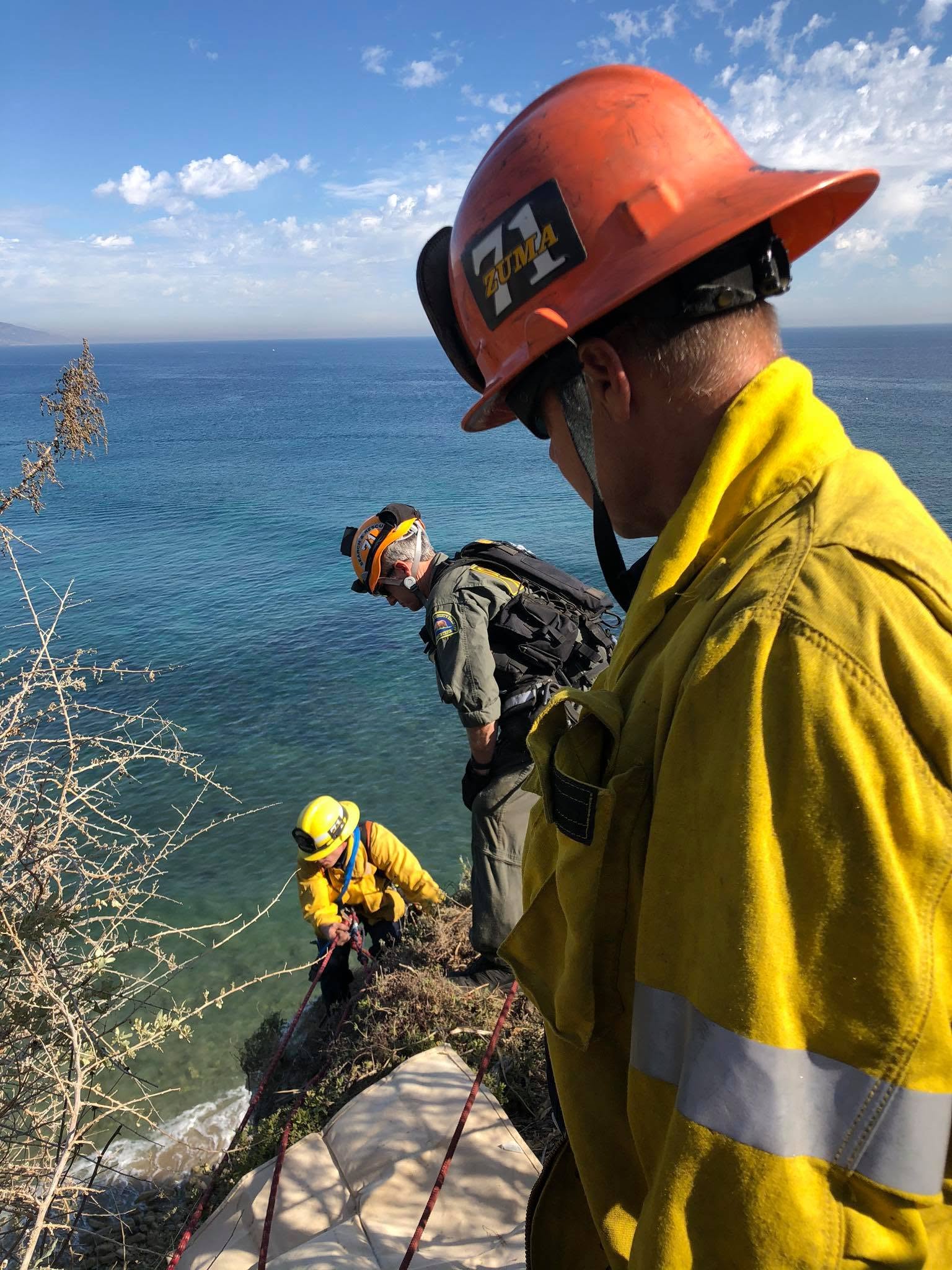
For nearly five decades, the volunteers of the Malibu Search and Rescue (MSAR) team have answered the call when hikers become stranded, vehicles plunge over cliffs, or someone vanishes into the rugged backcountry of the Santa Monica Mountains. And these emergencies happen a lot. The work is demanding, dangerous, and entirely voluntary, yet for team members, the reward is knowing they helped bring someone safely home.
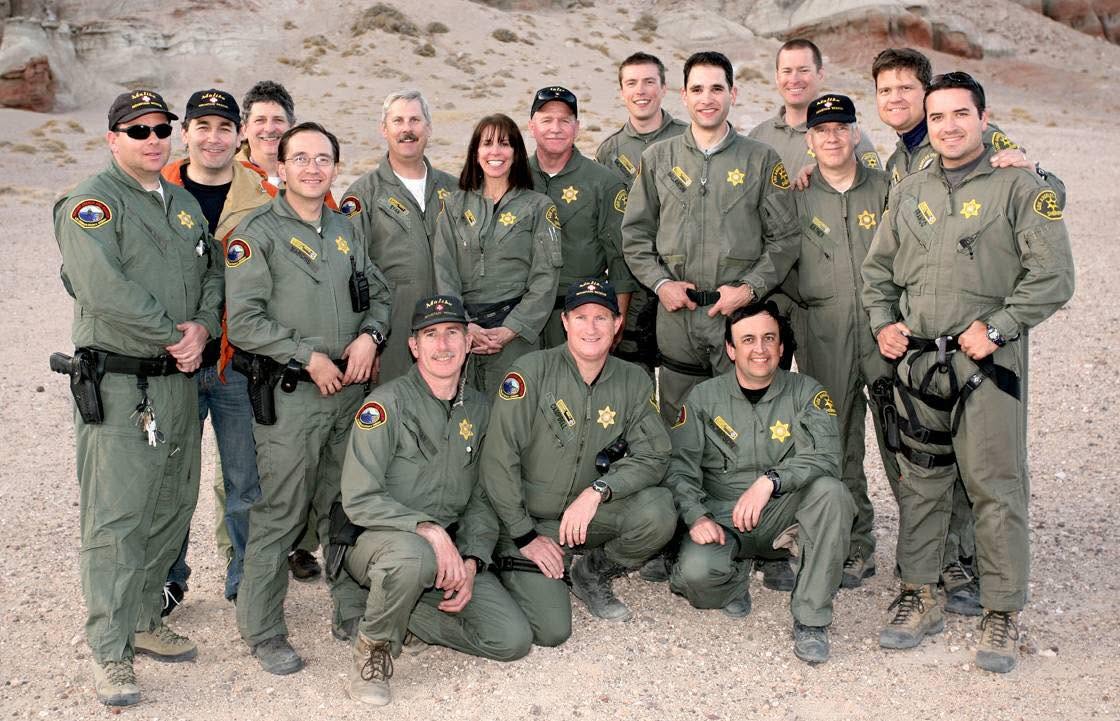
Founded in 1977, Malibu Search and Rescue will celebrate its 50th anniversary in 2027. Rather than marking the milestone with a fundraiser, the team plans to reunite current and former members to recognize those who have dedicated decades of service to the community.
Team Leader David Katz is in his 14th year as leader and 36th as a volunteer member. He is one of 35 volunteers representing virtually every profession imaginable. "We have everybody from doctors and lawyers to firefighters, lifeguards, nurses, people in the entertainment industry and business professionals," Katz said. "They come from all different walks of life, but all play a role.”
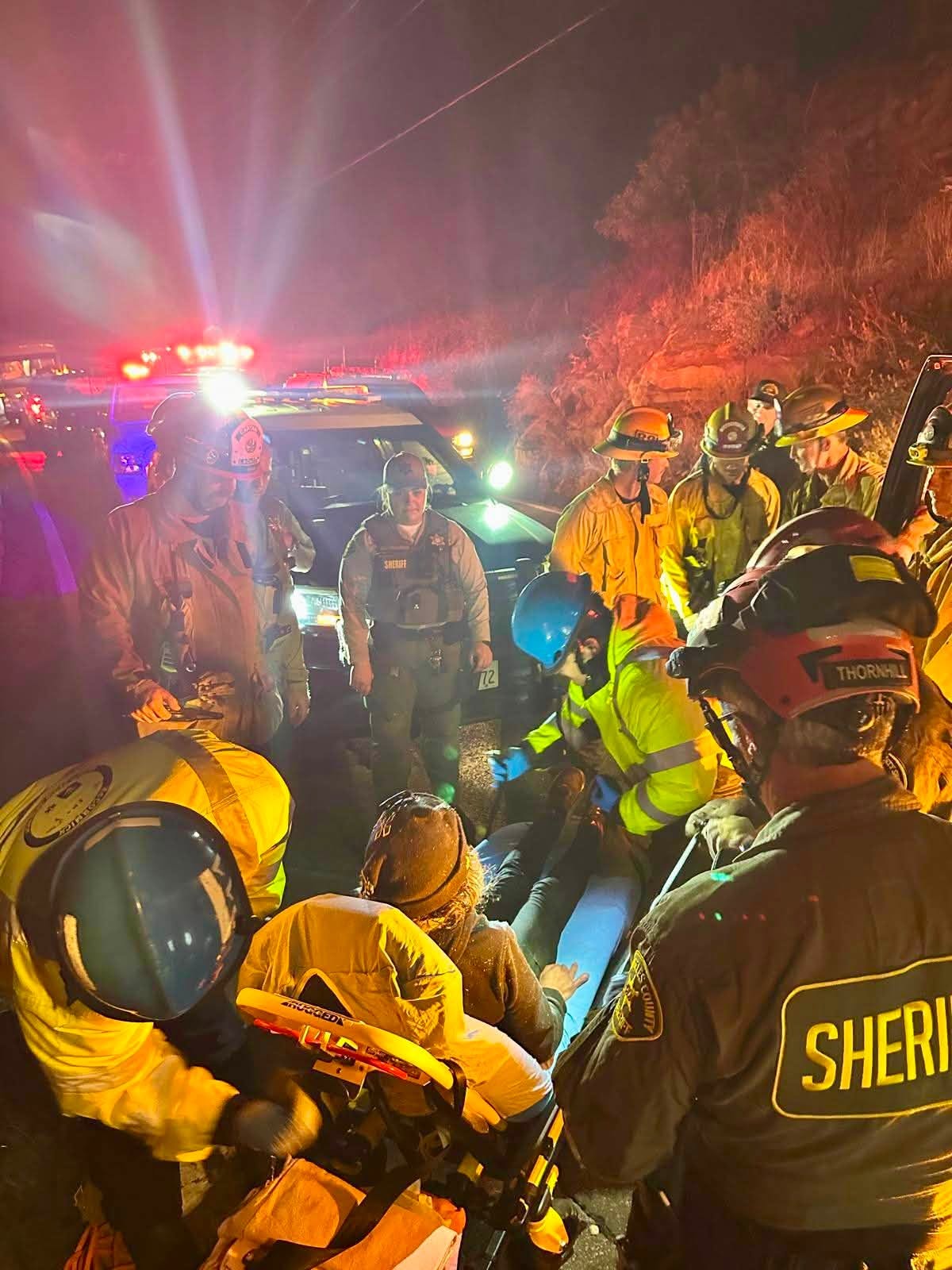
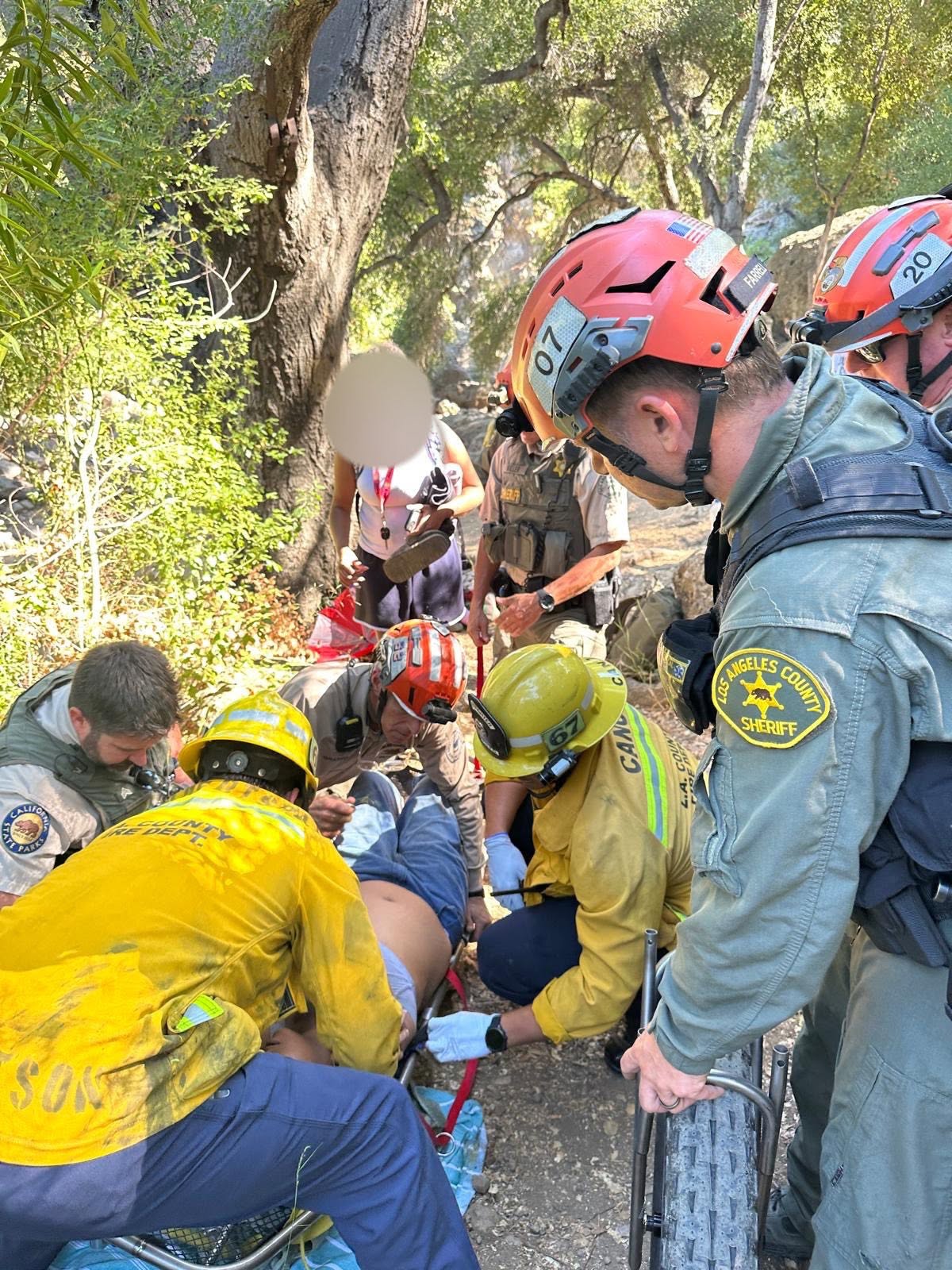
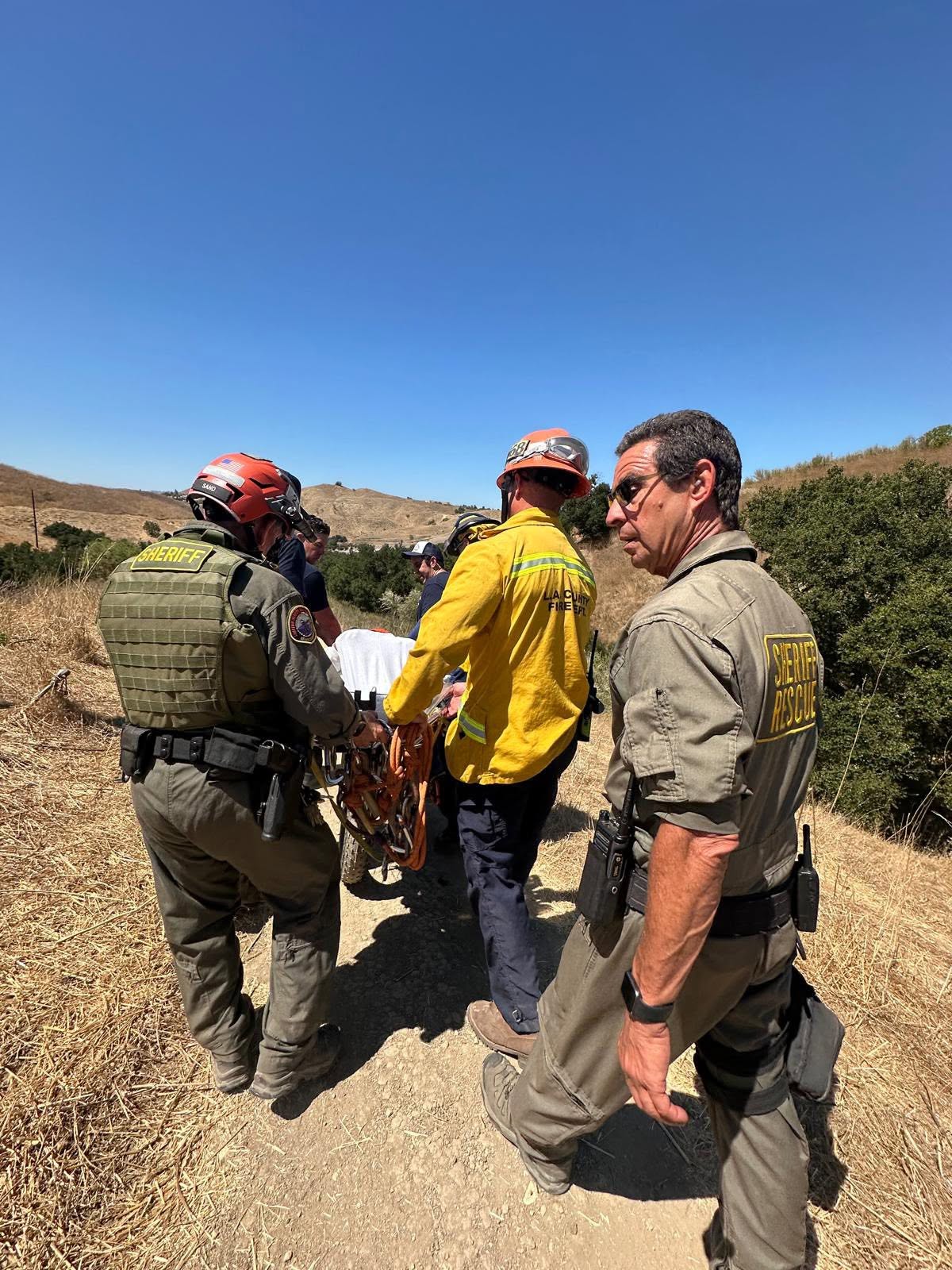
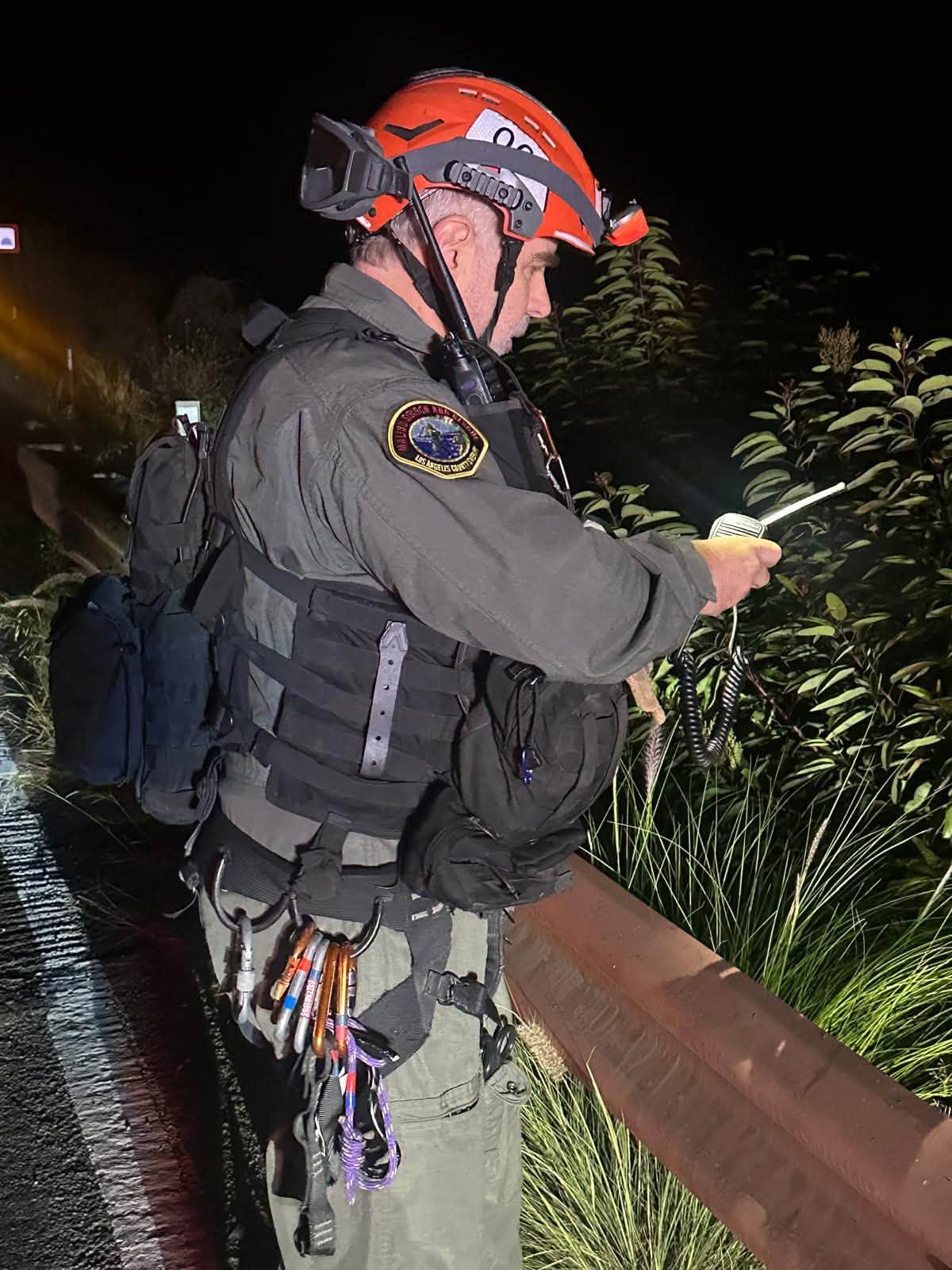
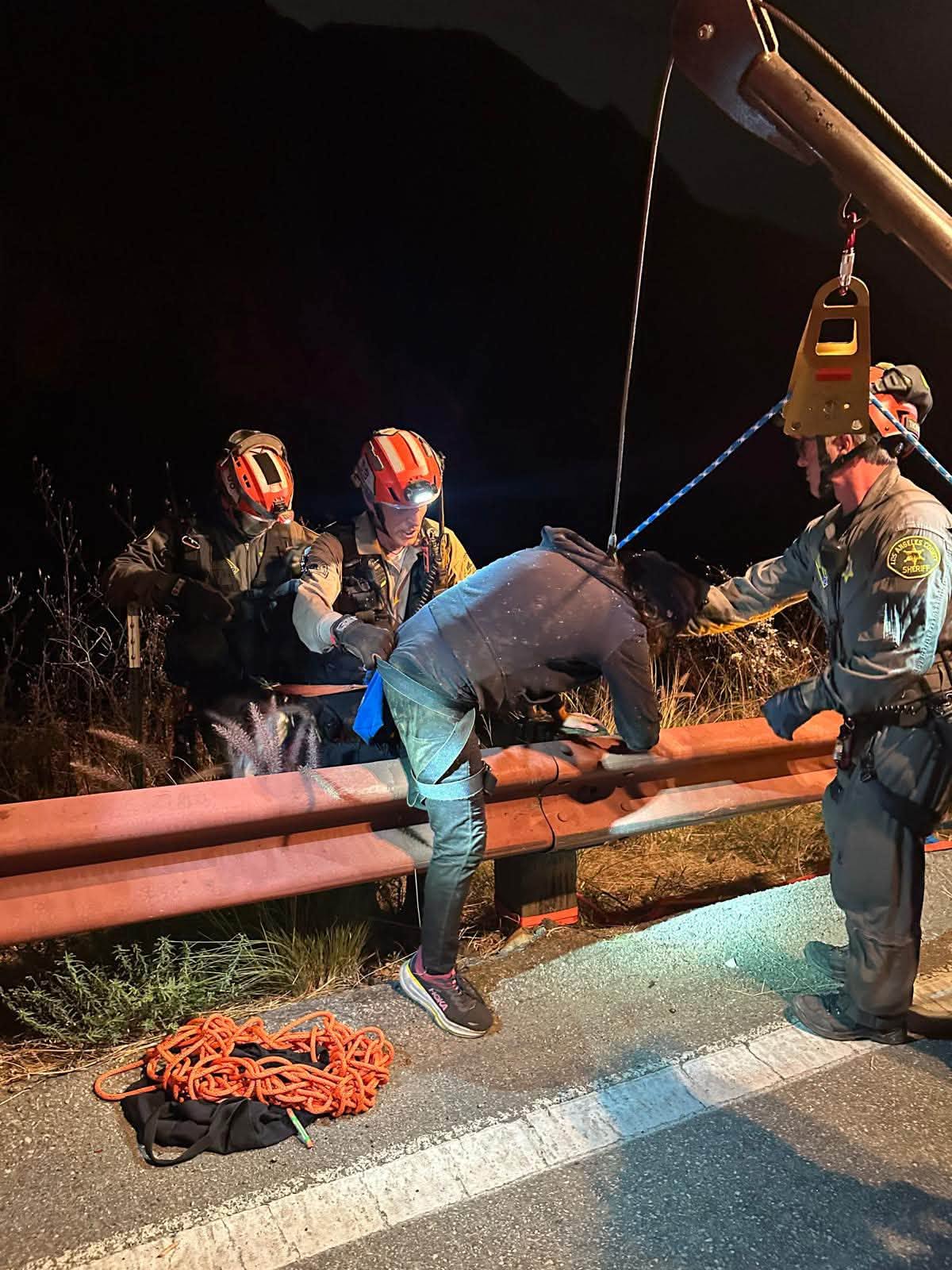
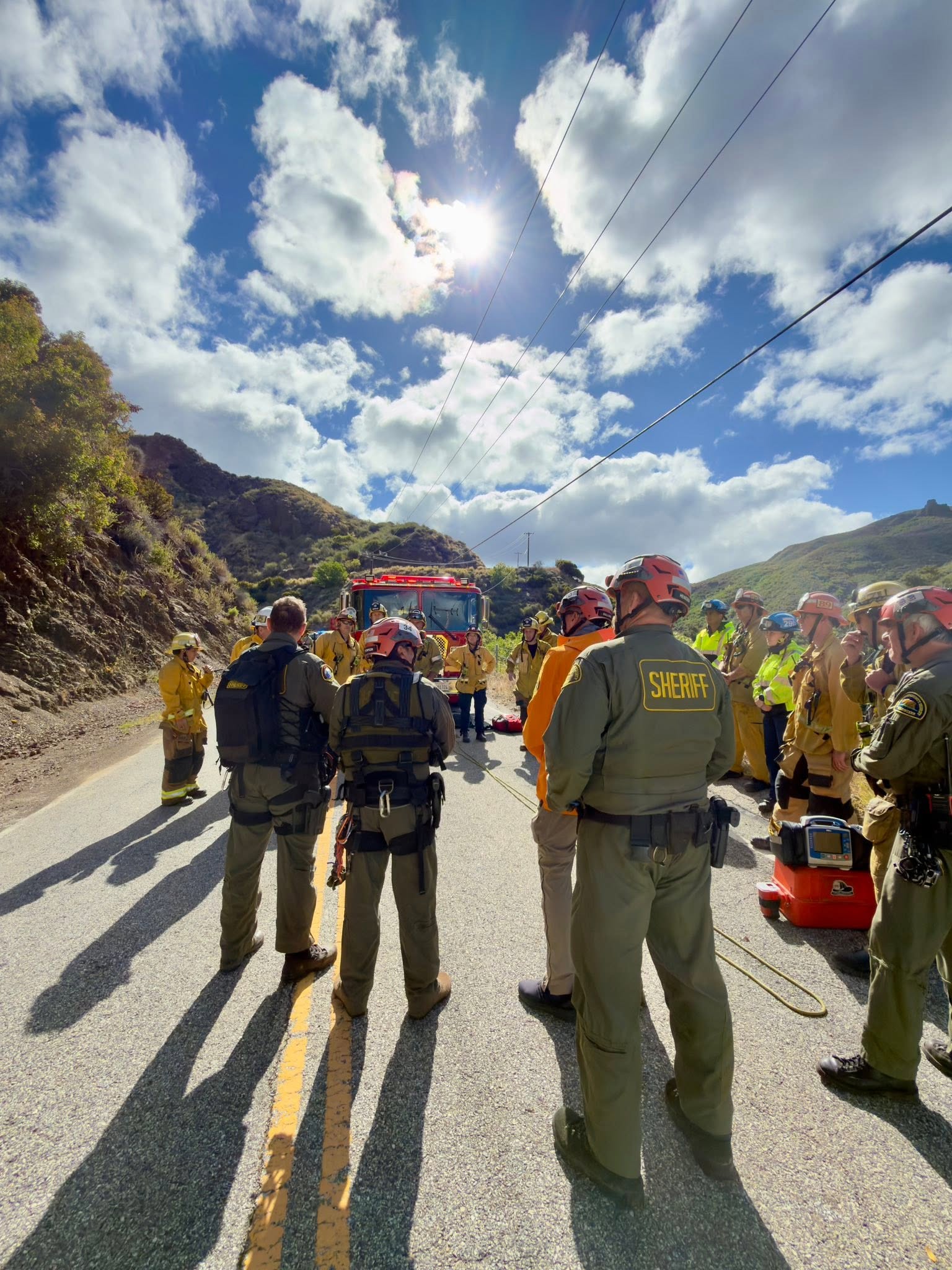
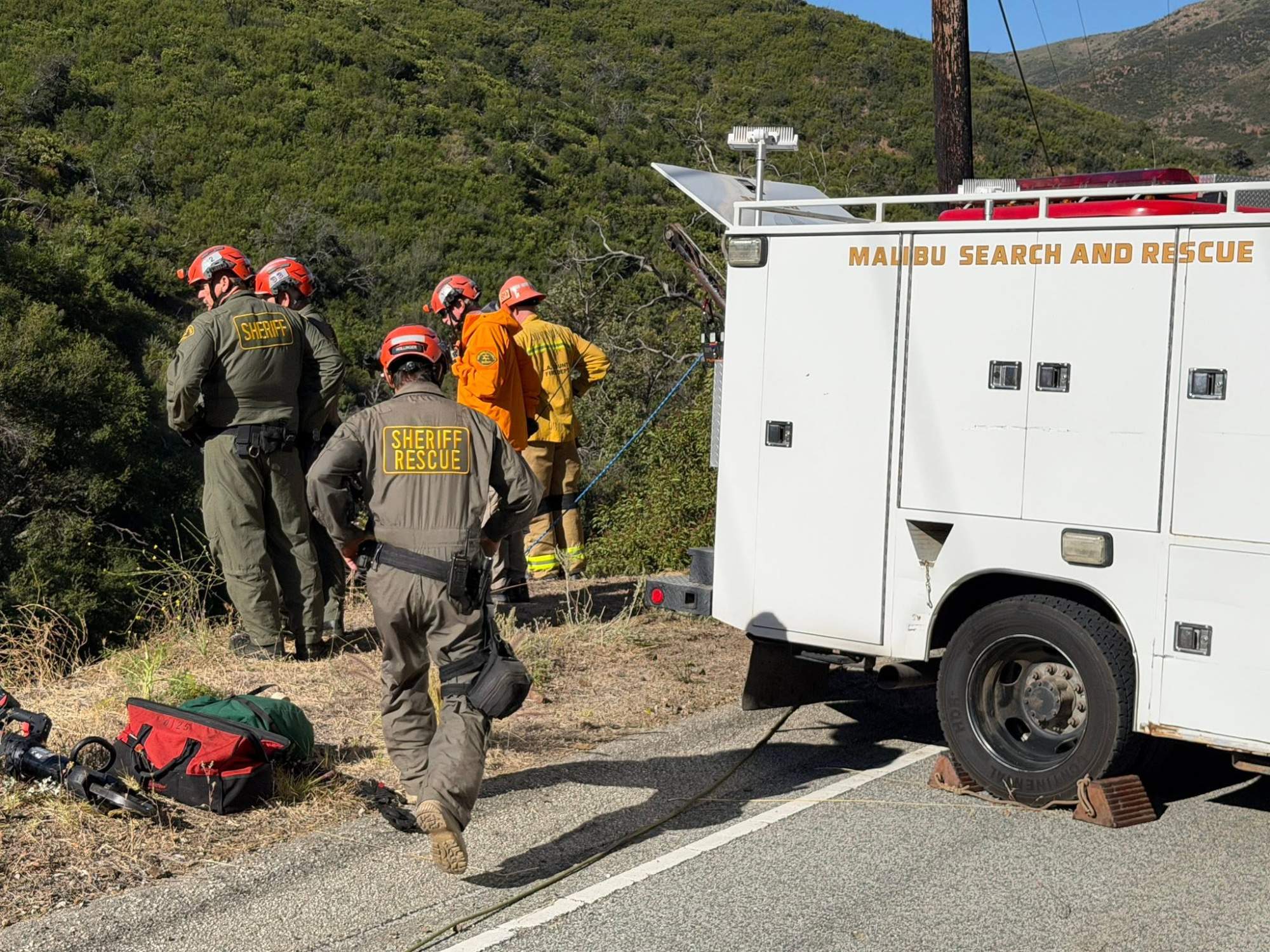
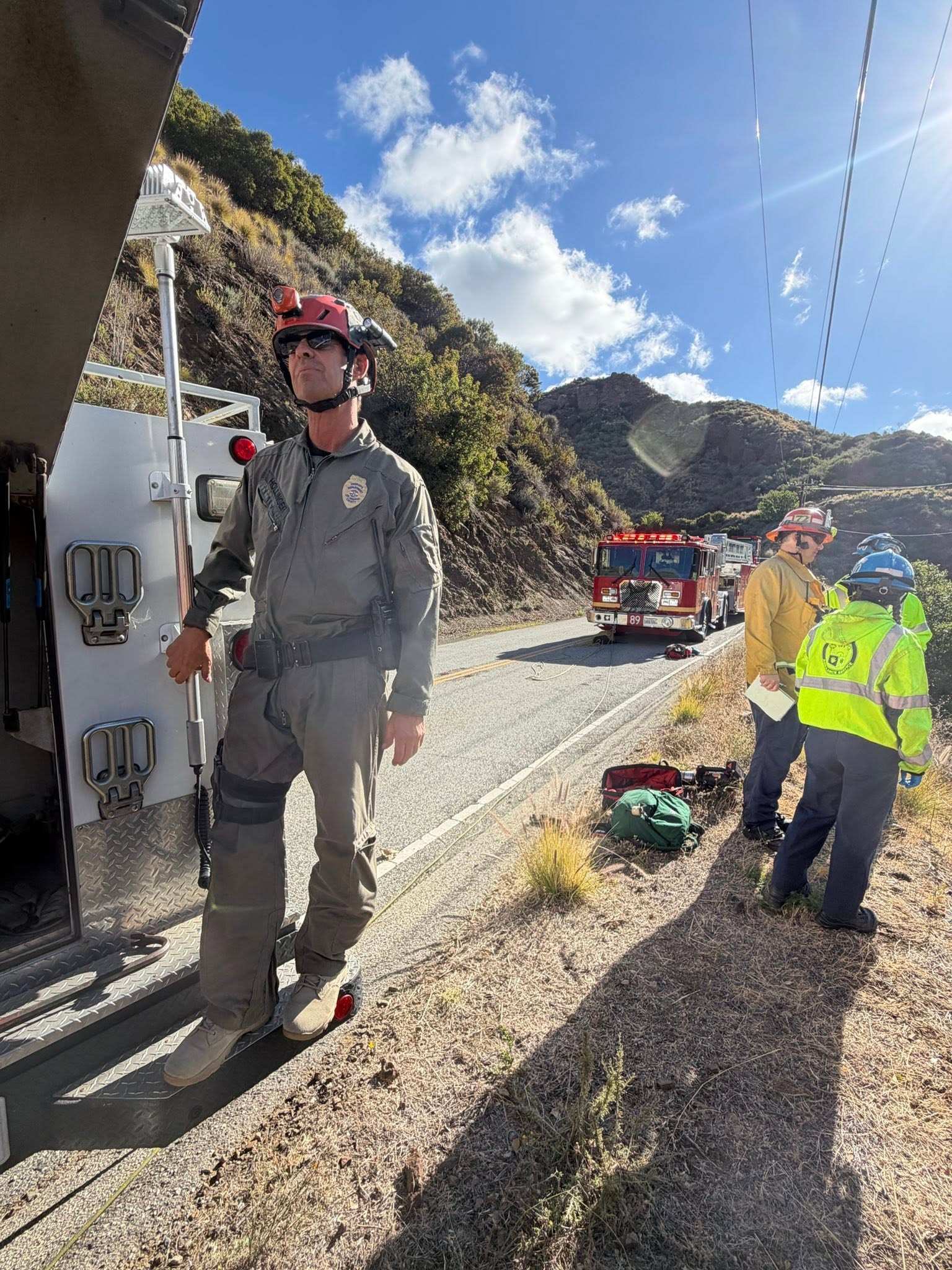
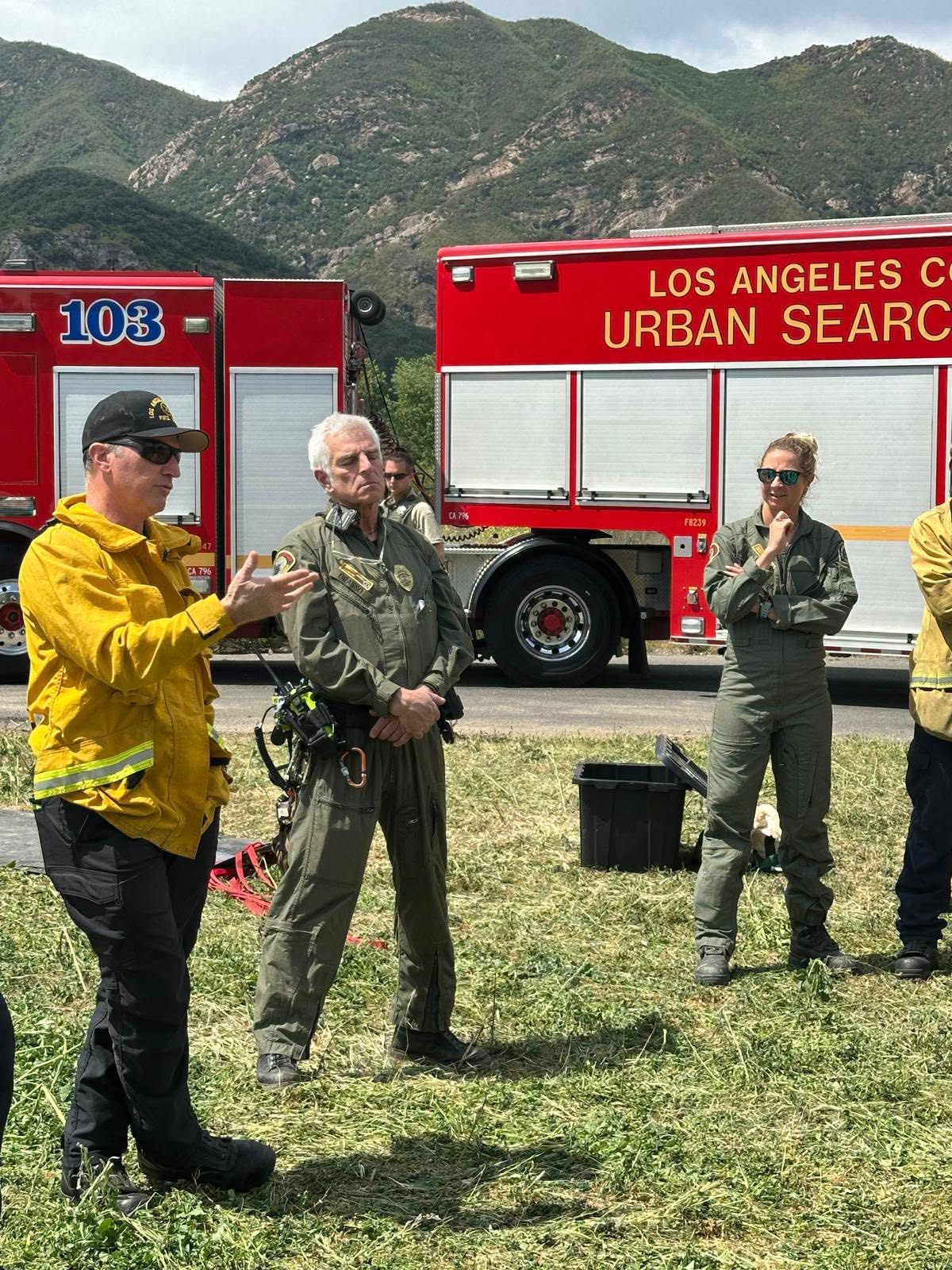
These roles require specialized technical skills requiring hours of training that are used in MSAR’s service area stretchingacross a challenging landscape. Based out of the Lost Hills Sheriff's Station, MSAR responds throughout Malibu, Agoura Hills, Calabasas, and surrounding unincorporated areas, covering thousands of acres of mountains, canyons, beaches, and coastline where rescues are needed.
While the public may see dramatic helicopter rescues, few realize the years of preparation required before a volunteer becomes fully proficient.
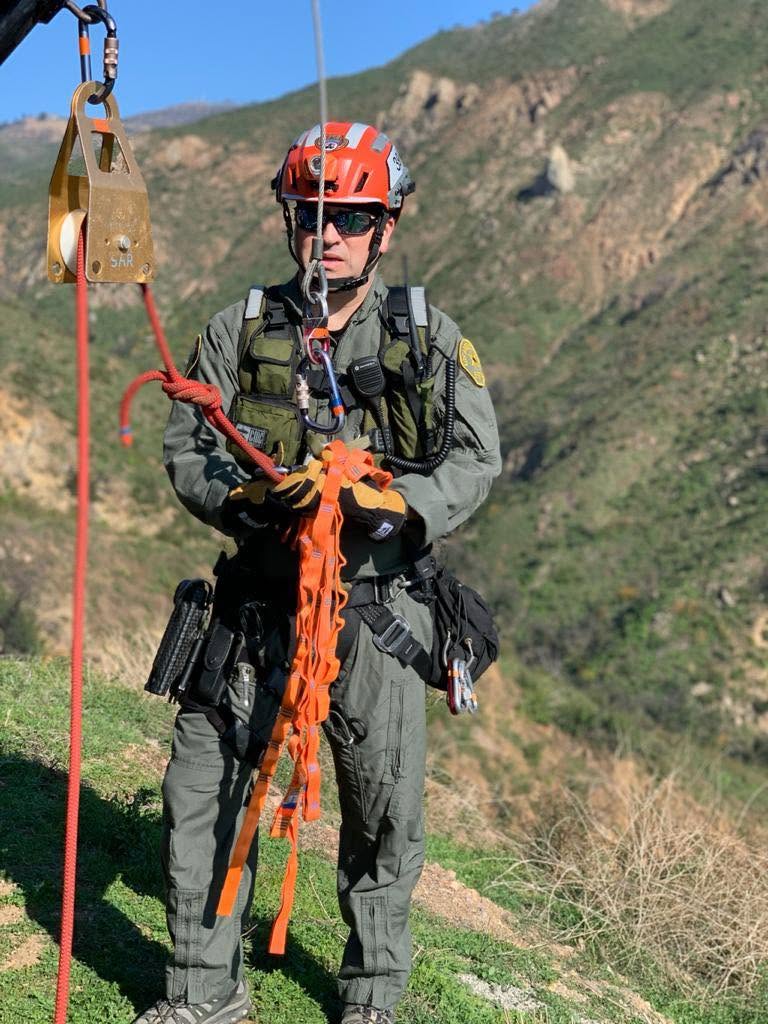
"There are two paths to joining the team," Katz explained. The preferred route begins by becoming a Los Angeles County Sheriff's reserve deputy, a process that includes extensive background investigations followed by six to nine months in the Sheriff's Academy. Whether volunteers become reserve deputies or civilian members, all must earn Emergency Medical Technician (EMT) certification and complete the team's own rescue academy, an eight- to nine-month training program held several days each month. And members continue learning in the field. "It can take five years before you really get your sea legs," Katz said. "You learn most of what you're going to do working alongside experienced team members."
Volunteers are expected to contribute at least 20 hours each month, but most search and rescue members donate between 30 and 40 hours monthly, often while balancing full-time careers and family responsibilities.
The work itself is physically demanding. Team members routinely carry 30 to 40 pounds of gear, including ropes, medical supplies, food, and enough water to work for hours, sometimes in triple-digit temperatures.
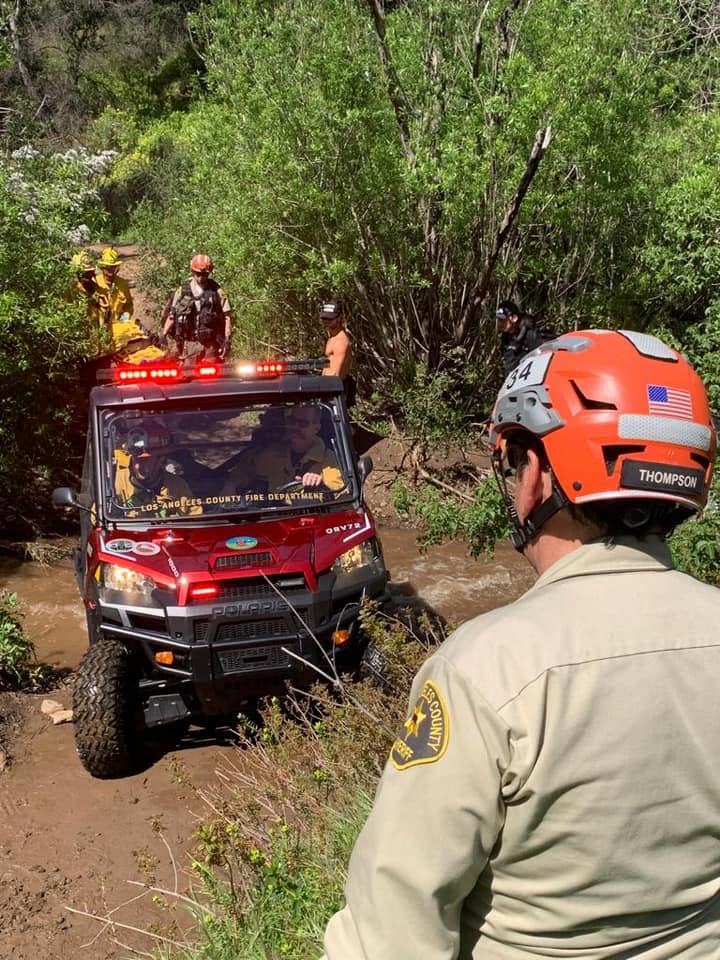
MSAR's most frequent rescues involve vehicles that have gone over cliffs and hikers who become injured, stranded after dark, or overcome by heat in popular recreation areas such as Malibu Creek State Park. "People find themselves in predicaments they weren't planning for," Katz said. "We've all done things that, in retrospect, weren't very smart. We don't judge. We're there to help."
Every rescue presents different challenges. Recently, the team responded to a rider who was thrown from a horse in Chatsworth before the horse stepped on him, leaving him with multiple broken bones. Volunteers hiked roughly 30 minutes into rugged terrain before packaging the patient for an airlift.
Technology has significantly expanded the team's capabilities. After fundraising, MSAR acquired a state-of-the-art drone system in early 2025 and recently purchased a second drone to expand search operations. Equipped with infrared thermal imaging, the drones allow rescuers to detect heat signatures at night and quickly locate missing people.
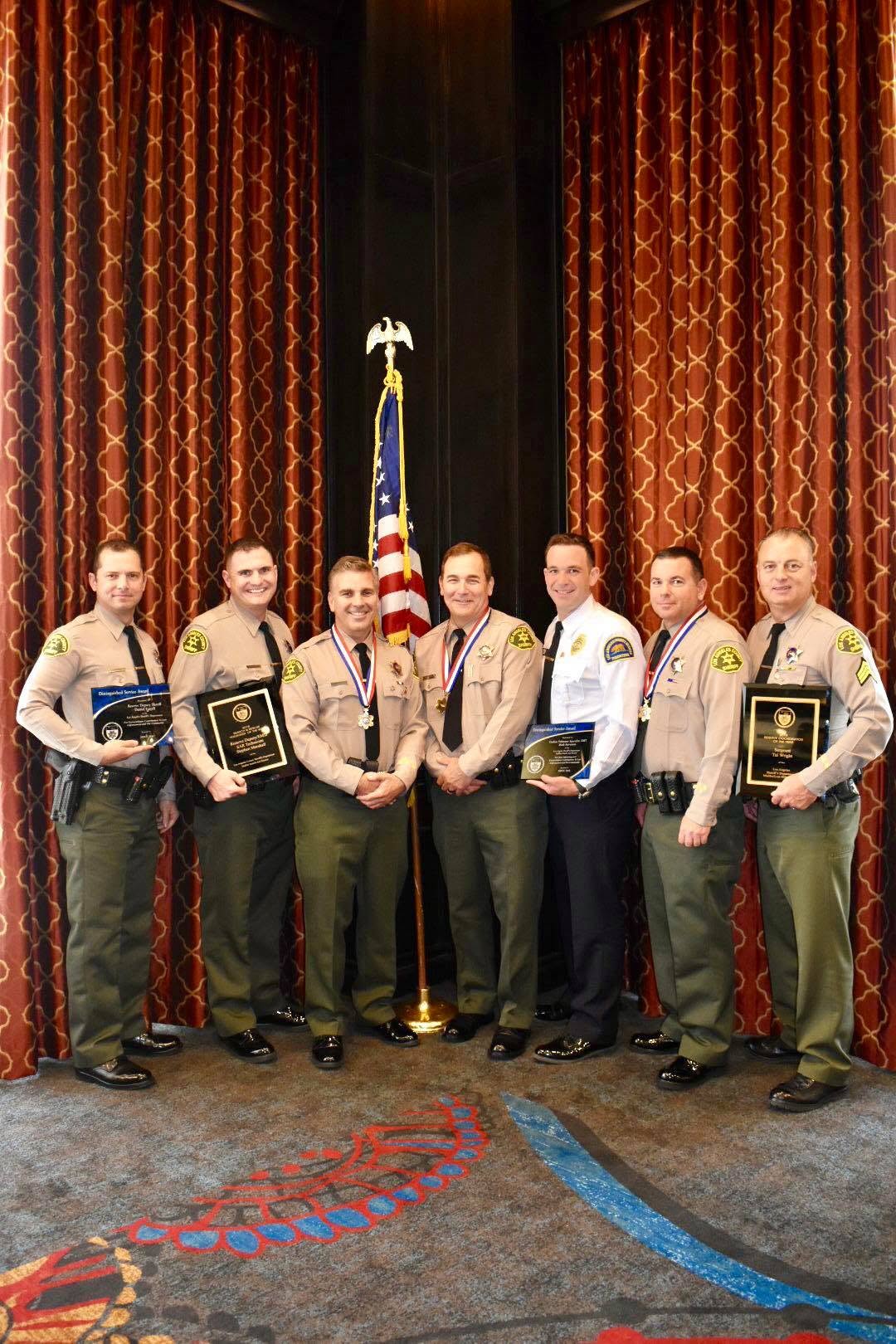
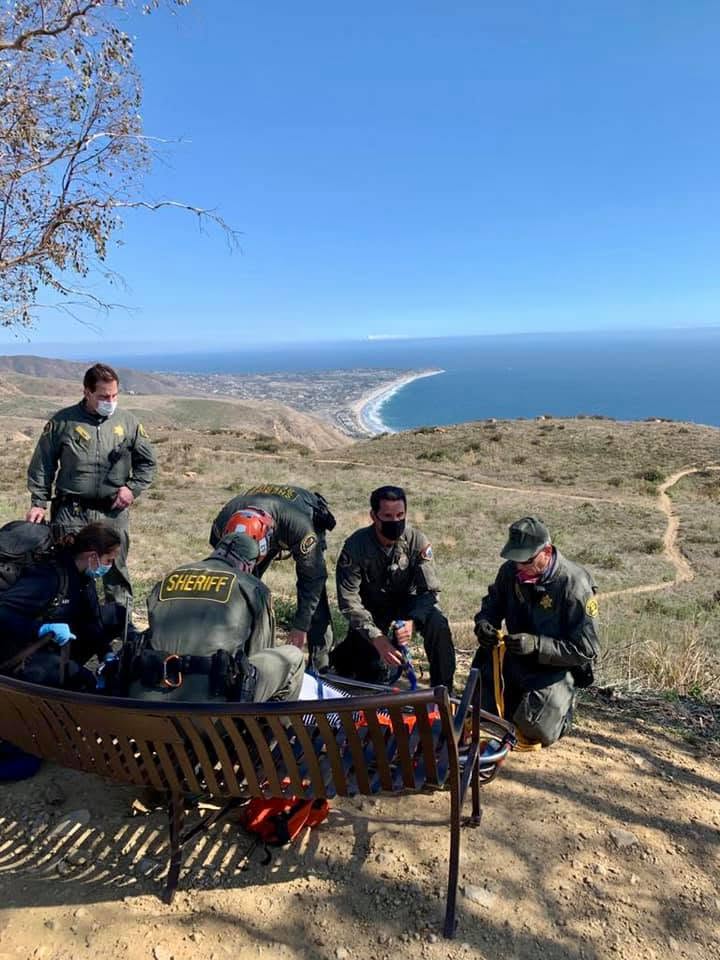
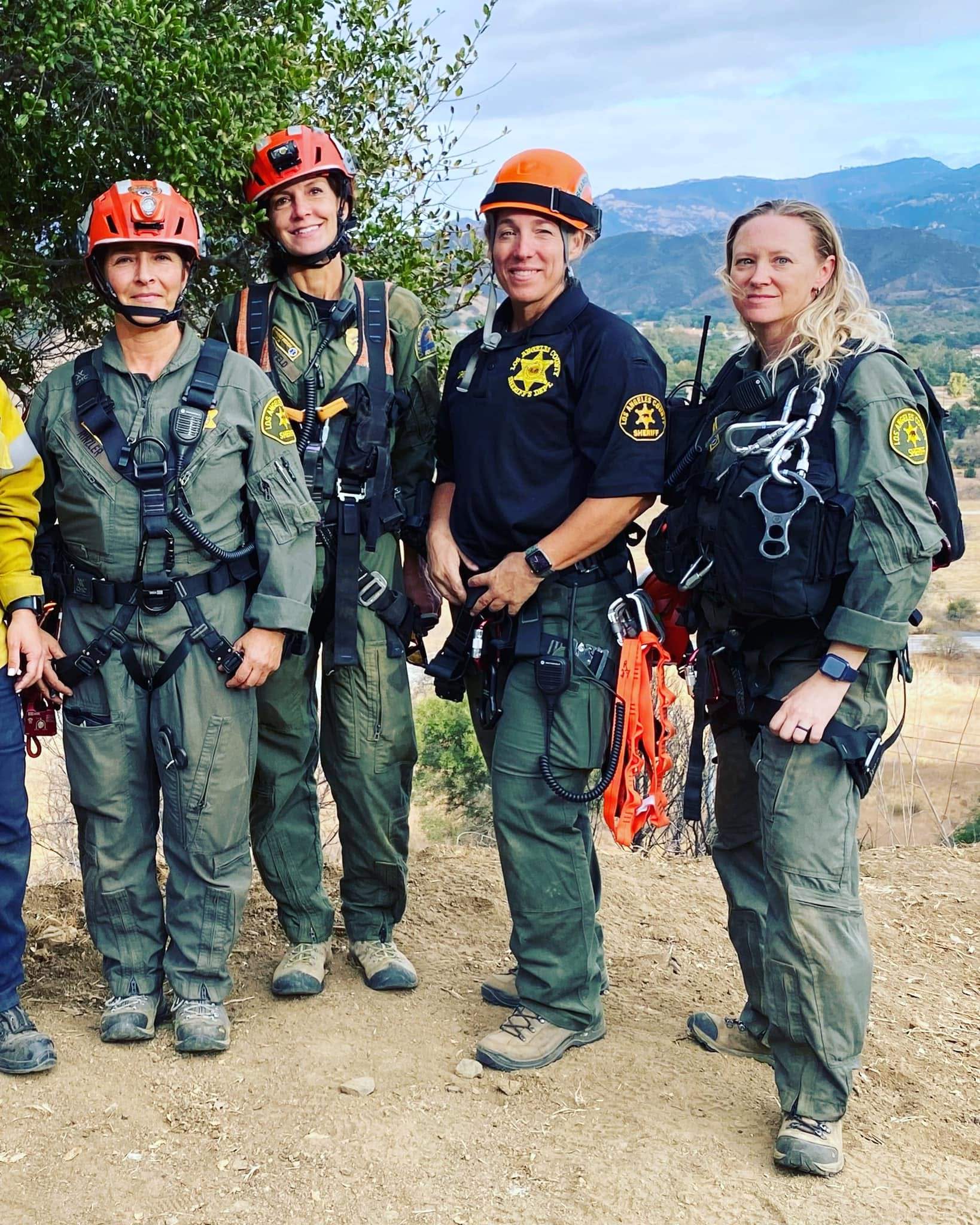
The technology proved its value during a search for an elderly Corral Canyon resident with dementia who disappeared while walking to retrieve his mail on Christmas Eve 2024. The drone located his heat signature within minutes after he had fallen into a canyon, allowing rescuers to reach him before the cold overnight temperatures became fatal.
The drones are also used to provide aerial overwatch during rescues, helping guide ground teams along the safest and fastest routes while monitoring evacuation paths in darkness.
Despite new technologies, Katz emphasized that successful rescues still depend on highly trained volunteers willing to dedicate years to mastering their skills. The team is always seeking new recruits but asks prospective members to understand the long-term commitment before applying. "We're looking for people who have the time, the devotion to the community, and who plan to stay in the area for many years," Katz said.
Like many nonprofit volunteer organizations, MSAR also depends on community support. Donations help replace worn rescue equipment, maintain specialized rescue vehicles, and purchase new technology. A recent gift from the Ahmanson Foundation will fully equip a new rescue truck, but ongoing fundraising remains essential to replacing aging gear.
Although rescue call volume has dropped approximately 15 to 20 percent this year — something Katz attributes to reduced visitation following the Palisades Fire — the team has still responded to about 60 incidents so far this year. In a typical year, MSAR handles between 110 and 140 rescues.
For Katz, however, numbers tell only part of the story. "The reward isn't financial," he said. "It's knowing you've given back to the community, helped somebody you'll probably never see again, and hopefully brought them back to their families."
For more information on MSAR, go to www.malibusar.org