When Malibu speaks with one voice
By Opinion Column · Fri Aug 07 2026
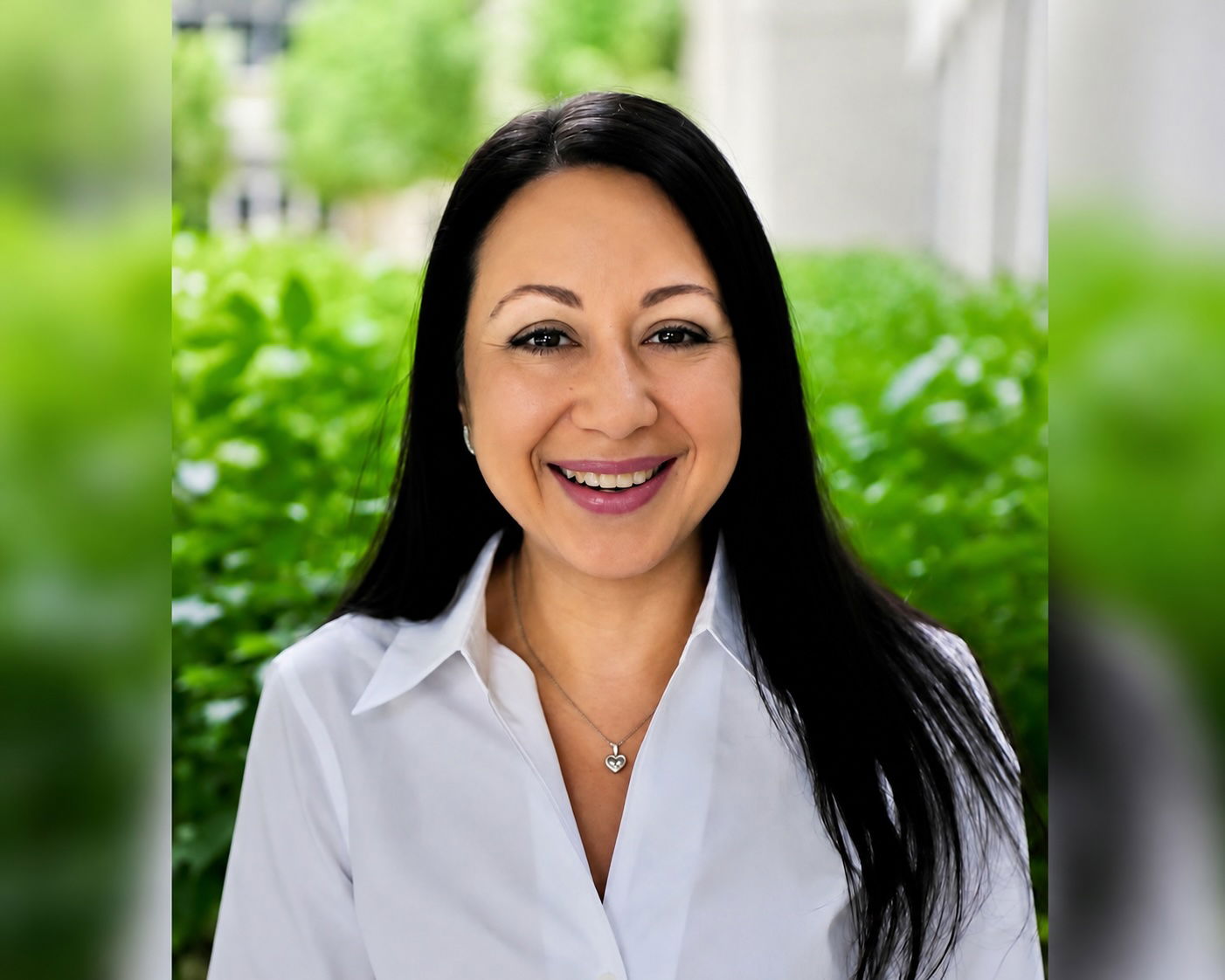
By Salwa Wahba, Co-Chair of the Malibu Rebuild Task Force
There are moments that remind us why we chose to live in Malibu.
Sometimes it's watching the sun disappear into the Pacific. Sometimes it's a pod of dolphins moving through the surf. Sometimes it's neighbors showing up after a storm. And sometimes it's something far less visible; people coming together to solve a problem before most of the community even knows it exists.
Over the past two weeks, Malibu quietly reminded us what that looks like.
Most of us had never heard of Senate Bill 1229. Then, almost overnight, it became part of the conversation among everyone who lost a home in the Palisades Fire.
Here is what the bill would actually do: SB 1229 would strip away the streamlined rebuilding process the moment a disaster-destroyed property changes hands to anyone other than the original homeowner. Today, survivors rebuilding their own homes can move through a faster permitting path, largely exempt from a full Coastal Commission review. Under SB 1229, a new owner would instead face the same lengthy, discretionary review that governs new coastal construction, a process that can take years. For survivors who cannot rebuild themselves, whether for financial, medical, or other reasons, that change would shrink the pool of buyers willing to take on the property, and could drive down what any buyer is willing to pay for it. For many families, that property represents decades of hard work and their single largest financial asset. It is a fundamental change in what a disaster survivor's property is worth.
Like many pieces of legislation, the bill was introduced with a legitimate objective. California has every reason to protect communities from inappropriate redevelopment after natural disasters. Good public policy begins with good intentions.
But good public policy also depends on listening to the people who will live with its consequences.
As members of the Malibu Rebuild Task Force (MRTF) began digging into the bill, they recognized the risk of unintended consequences it could create for disaster survivors.
The concern was never about opposing change.
It was about making sure Sacramento understood the reality on the ground in Malibu.
That is when something remarkable happened.
Members of the MRTF volunteered countless hours researching the legislation. They read complex statutory language, challenged one another's assumptions, consulted experts, and worked to understand not only what the bill said, but what it would mean for real families trying to rebuild their lives.
One of the people who helped hold that effort together was Danny Smith. He coordinated meetings, connected residents with the right expertise, kept information moving, and made sure discussions stayed focused on understanding the legislation rather than reacting to it. Under his leadership, what could have become dozens of disconnected voices became one thoughtful, well-supported message.
At the same time, city staff became a true partner. They worked directly with MRTF members and Senator Ben Allen's office, analyzed the legislation independently, shared their technical expertise, and helped ensure Malibu's concerns were clearly understood.
The Malibu City Council also became an important part of the conversation. Council members engaged directly with Sen. Allen and his staff, connected MRTF with the right people, studied the legislation themselves, shared their expertise, and helped communicate the community's concerns. By the time the conversation reached Sacramento, it no longer reflected the views of one organization. It reflected the experience of an entire community.
No one accomplished this alone.
Not MRTF.
Not city staff.
Not the City Council.
Each brought something the others could not: lived experience, technical expertise, local leadership, relationships, and a willingness to listen. Remove any one of those pieces, and the outcome might have been very different.
And Sen. Ben Allen listened.
There is an assumption today that once a bill is introduced, positions become fixed and minds rarely change. This time, that wasn't what happened.
Allen listened because he understood that people living through a disaster often see consequences that cannot be fully appreciated from hundreds of miles away. After hearing those concerns, he made the decision not to move SB 1229 forward this year.
For me, however, the most important lesson has very little to do with SB 1229.
Over the past 18 months, we have seen this same spirit again and again. The Malibu Rebuild Task Force has worked alongside residents, city staff, elected officials, and countless volunteers on issues ranging from rebuilding policies to telecommunications undergrounding, coastal erosion, and disaster resilience. Much of that work happens quietly, without headlines or recognition. It happens because people care deeply about this community and believe that showing up still matters.
One day, few people will remember Senate Bill 1229 — they won't remember its number or exactly what it proposed.
I hope they remember something else instead.
That when Malibu needed to be heard, neighbors, those who live here, those who lead here, and those who work here, did what neighbors here have always done.
They showed up.
They listened.
They worked together.
And because they did, they left this community a little stronger than they found it.
The greatest strength of this community has never been our coastline or our hillsides.
It has always been our willingness to work together.
And when we do, remarkable things can happen.