PCH receives state safety designation as Malibu advocates push for action
By Hayley Mattson · Thu Nov 05 2026
Catalyst corridor status recognizes highway’s role in statewide effort; foundation seeks targeted designation for Malibu’s most dangerous stretches
California has designated 28.2 miles of Pacific Coast Highway a Catalyst Priority Safety Corridor, recognizing the highway’s role in inspiring a statewide effort to prevent deadly crashes while setting the stage for Malibu advocates to press for more targeted improvements. Announced Oct. 27, the designation covers PCH from the McClure Tunnel in Santa Monica to the Ventura County line, including the entire stretch through Malibu. The initiative brings together infrastructure improvements, targeted enforcement and public education to reduce fatal and serious injury crashes. For residents who rely on PCH every day, the announcement represents another step in a long campaign to make the highway safer. But advocates say the recognition must lead to changes on the road.
“PCH is the road every Malibu resident depends on, and this designation tells them the state is paying attention,” City Manager Joe Irvin said in the announcement. “We’re grateful to Secretary Omishakin and Caltrans, and to Michel Shane and The Emily Shane Foundation for bringing this effort to the city. Malibu will keep working with the State until the improvements show up on the highway itself.”
The catalyst designation carries a distinction from the full State Priority Safety Corridor status awarded to other roadways. According to Michel Shane, the co-founder of The Emily Shane Foundation, the next goal is to identify the most dangerous sections of PCH in Malibu and seek full designation for those stretches in 2027.
“The state told us PCH started its safety program. Now we want that program working on PCH,” Shane said. “Designate the miles where people are dying, and put the camera money there.”

A campaign shaped by loss
Malibu’s push for safer roads has been shaped by deaths that continue to resonate throughout the community.
On Oct. 17, 2023, Pepperdine University students Niamh Rolston, Peyton Stewart, Asha Weir, and Deslyn Williams were killed when a speeding driver struck them as they walked along PCH. Their deaths intensified demands for coordinated action by local and state officials.
Thirteen years earlier, 13-year-old Emily Shane was killed while walking along the highway. Her parents, Michel and Ellen Shane, established The Emily Shane Foundation and have remained advocates for highway safety.
“Our daughter Emily was killed on PCH in 2010, and four Pepperdine seniors died on the same highway in 2023, at no fault of their own,” Shane said. “My wife and I are grateful to Secretary Omishakin for doing several site visits and engaging with the community firsthand.
“The road that taught Californians what a deadly highway costs will now show them what a safe one looks like.”
According to Shane, the foundation brought the corridor proposal to Irvin in September. Shane then arranged a Sept. 21 Zoom meeting with Irvin and California Transportation Secretary Toks Omishakin, also attended by CalSTA’s Kimberly Erickson.
State and local coordination
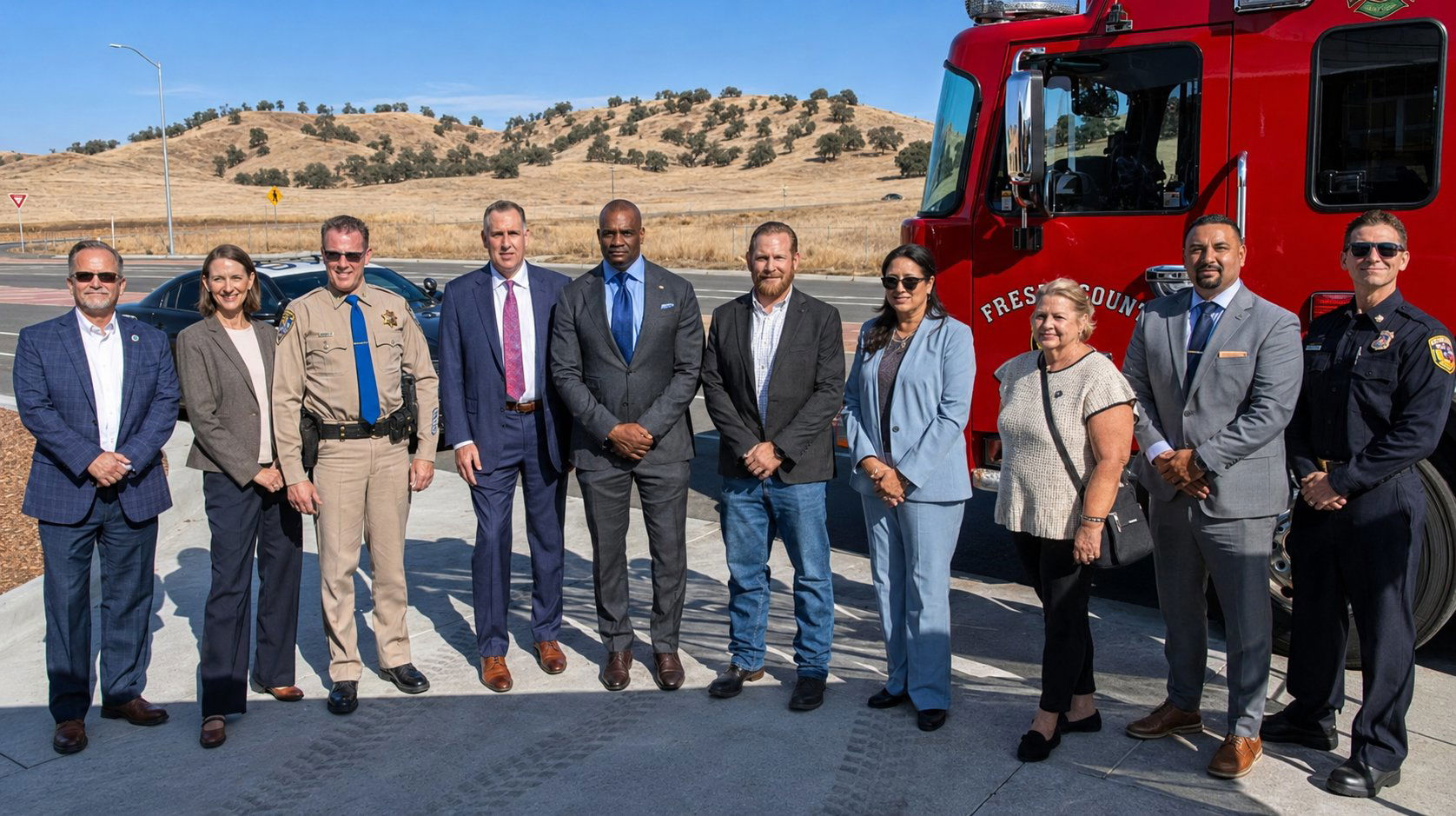
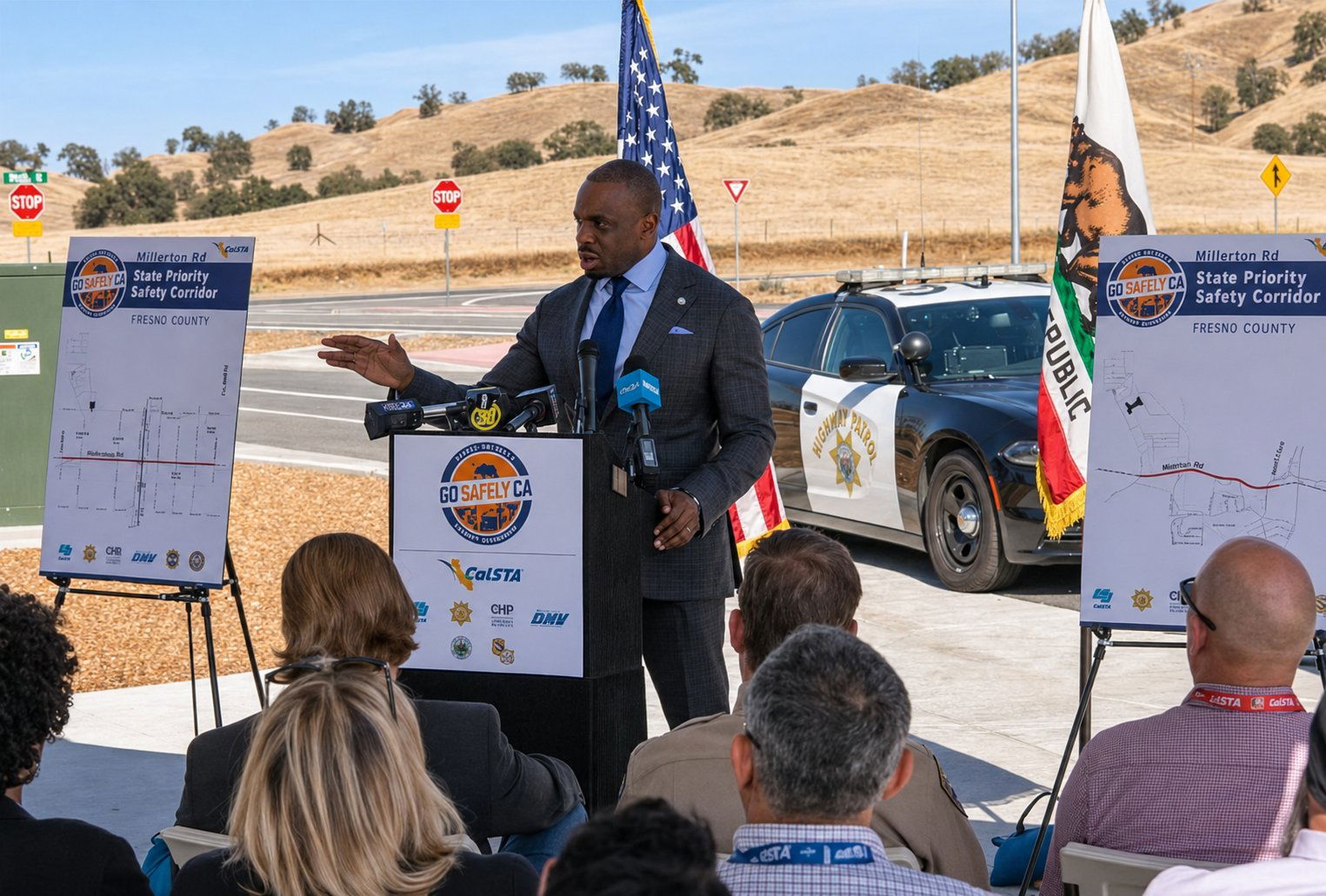
Omishakin joined representatives of Caltrans, the California Highway Patrol, the Office of Traffic Safety, the Department of Motor Vehicles and local leaders to announce the expanded statewide initiative.
“The most critical safety investments are the ones that prevent tragedies and save lives,” Omishakin said in the announcement. “With Governor Newsom’s continued support, the State Priority Safety Corridor initiative directs safety measures that produce immediate, impactful results.”
Other designated corridors include Millerton Road in Fresno County, West Manchester Avenue in Los Angeles and Interstate 880 in Alameda County.
California’s road safety policy establishes an interim goal of reducing fatal and serious injury crashes by 30% by 2035.The approach emphasizes preventing crashes and reducing their severity through road design, safer speeds andcoordinated action.
For Malibu, Shane said the foundation’s Driving Change division plans to work with the city to identify PCH segments with the highest concentrations of fatal and serious injury crashes per mile. The planned analysis would use the state’s High Injury Network method, developed with UC Berkeley’s Safe Transportation Research and Education Center using 2020–24 crash data, according to the foundation’s fact sheet.
Those findings would support a request for full corridor designation in 2027.
Turning recognition into improvements
Shane also sees Malibu’s planned speed camera program as a potential resource for future safety work. Ten cameras authorized under Senate Bill 1297 are expected to enter testing, with a goal of full operation in January. Start dates have not been confirmed.
The foundation wants future camera revenue directed toward improvements such as lighting dark stretches of PCH, narrowing lanes, considering roundabouts where appropriate and making the highway safer for people walking. Those ideas represent the foundation’s priorities, rather than a newly approved construction package accompanying the catalyst designation.
The city said it will continue working with CalSTA, Caltrans, CHP, and other state partners to advocate for sustained safety investments protecting residents, workers, students and everyone traveling through Malibu.
For Shane, the next measure of progress will be whether the recognition produces safer conditions along the highway.
More information about the state initiative is available at calsta.ca.gov/subject-areas/enforcement-and-safety.