New study released by Pepperdine predicts slow road to fire rebuilds
By Judy Abel · Sun Jan 18 2026
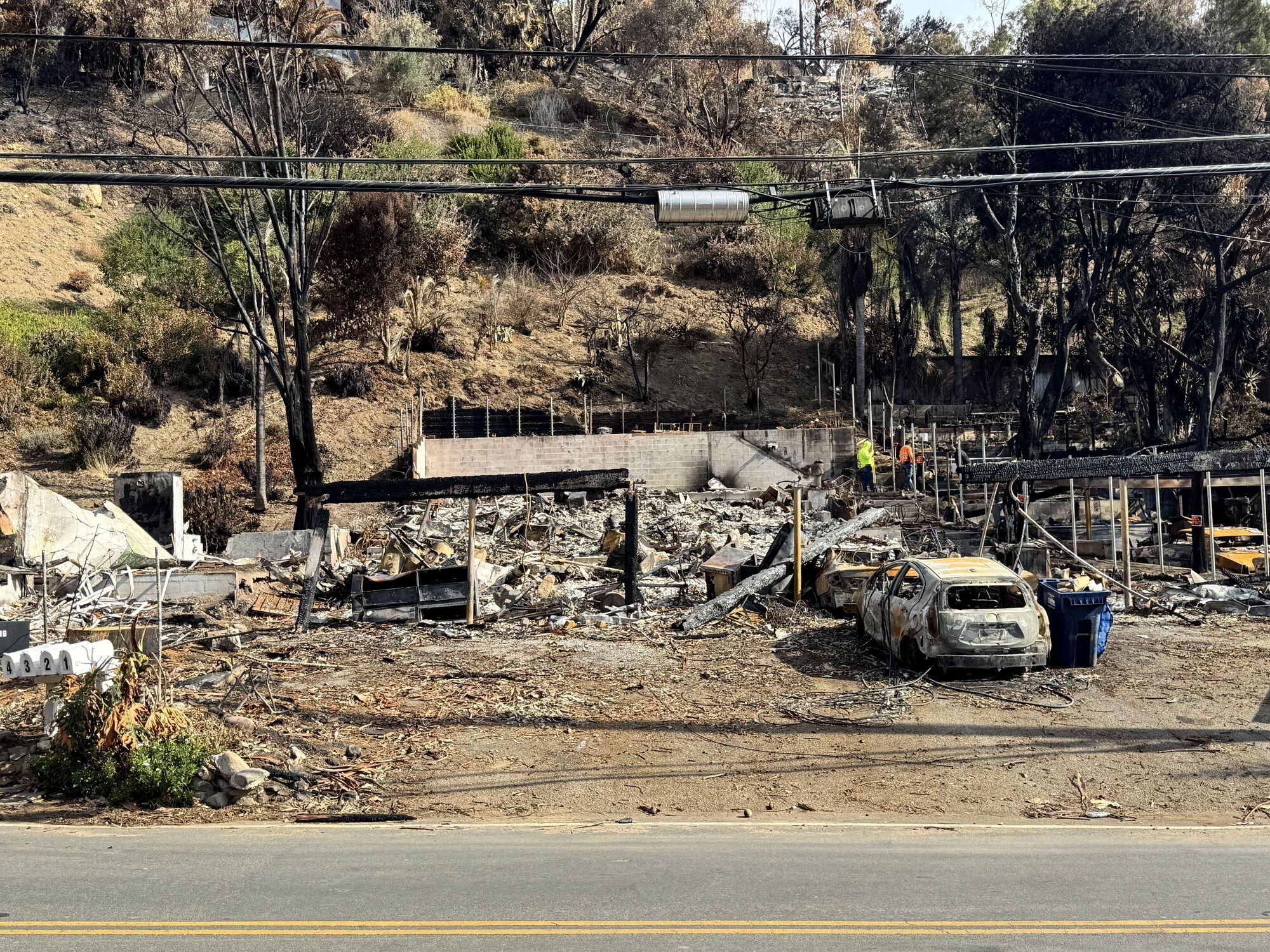
Report details rebuilding timelines lag behind public perception
A new report from Pepperdine University’s School of Public Policy shows California’s wildfire recovery effort is far slower — and more fragile — than most people realize.
The information may not be news to those Malibu residents who lost their homes in the Woolsey Fire — with fewer than 50% rebuilt seven years later — but for the latest group of fire-affected in Malibu the report may be sobering.
The report titled, “Burned, Sold, and Rebuilt? The Long Road to Recovery After California Wildfires,” was written by Justin Niakamal, a research manager with Beacon Economics, along with Chris Thornberg. The authors partnered with Pepperdine on the project in response to the most destructive fire in California’s history — the Palisades Fire. Niakamal said the impetus behind the report is to take a historical perspective on the pace of rebuilding in the state after a decade of disastrous fires in California.
Looking at previous wildfires including the Tubbs, Lightning Complex, Glass fires and others, the study found that fewer homes are rebuilt after major wildfires than initially expected, with recovery stalled by structural barriers, not lack of will or funding. Key findings include: rebuilding timelines lag far behind public perception, often stretching years longer than anticipated; local tax revenues drop sharply after fires, straining public services during recovery; and permitting delays, labor shortages, and debris removal — not insurance alone — are the biggest bottlenecks.
Some fire ravaged communities have fared better than others though. The report cites a swifter rebuild in Sonoma County where the 2017 Tubbs Fire destroyed more than 5,000 homes and wiped out Santa Rosa’s Coffey Park. Today, nearly 80% of the homes lost there have been rebuilt. Not so for 2018’s Camp Fire and Malibu’s Woolsey Fire, which both fared among the worst for rebuilds. Following the Camp Fire, fewer than 30% of homes were rebuilt after five years “due partly to sizable delays and ongoing hardships related to the sheer scale of destruction.”
According to the report, the Woolsey Fire, which shares geographic and administrative similarities with the recent Los Angeles wildfires has been unusually slow. The report states: “This is indicative of systemic issues such as complex permitting practices, underinsurance, and financial difficulties for homeowners.” Niakamal added, “There's some lessons to be learned there. There are a multitude of problems. Some of them are Malibu specific. Of course, the topography and infrastructure play a role, but then, there's also local government response. With the Tubbs Fire, they created a resilient city permit center. They have their own zoning code. They guarantee you a quick turnaround. That helped to expedite the rebuild process. We can prepare for wildfires, but it's not really clear if there's sort of an emphasis on learning how to respond from past wildfires.”
The report’s author added, “The impression that you get when you look at the data is you think over time that the response will get faster, but only two homes have been rebuilt in Pacific Palisades in a year removed from the fire. You'd think that over time the response would be more efficient, but it doesn't seem like that's happening. It is a bit of a reinvent the wheel each time a major fire occurs.” In comparison, Malibu has issued only 22 building permits with no homes completed. Niakamal stated his report has examples of “successful responses, in particular, Sonoma.”
The report also touches on tax revenues in fire-ravaged communities. When structures are destroyed “you lose a large part of the tax base from when you don't replace that structure. This is only the land that gets assessed, but the structure value is zero. So, the total assessed value for which your property taxes are determined are based on, the land and structure, you’re missing a big part of that,” Niakamal commented.
Overcoming the bottlenecks of navigating a rebuild, including the challenges of topography, infrastructure, and permitting have been vexing California fire victims for years, so Niakamal questions why the state is facing the same issues in more than a decade of fire response. “That's one of the points of the report. This isn't new. We've had wildfires before. But we haven't necessarily learned from past responses and how to improve them.”
Finally, the report suggests policymakers take concerted steps to streamline permitting, invest in workforce development to counter labor shortages in the construction industry, fund debris removal and environmental testing or risk prolonging displacement for residents and creating lasting gaps in both housing supply and local property tax base.
View the report at: publicpolicy.pepperdine.edu/institutes-initiatives/content/wildfire-papper-final.pdf