Malibu delays speed camera warnings after testing records approximately 100,000 detections
By Hayley Mattson · Thu Oct 01 2026
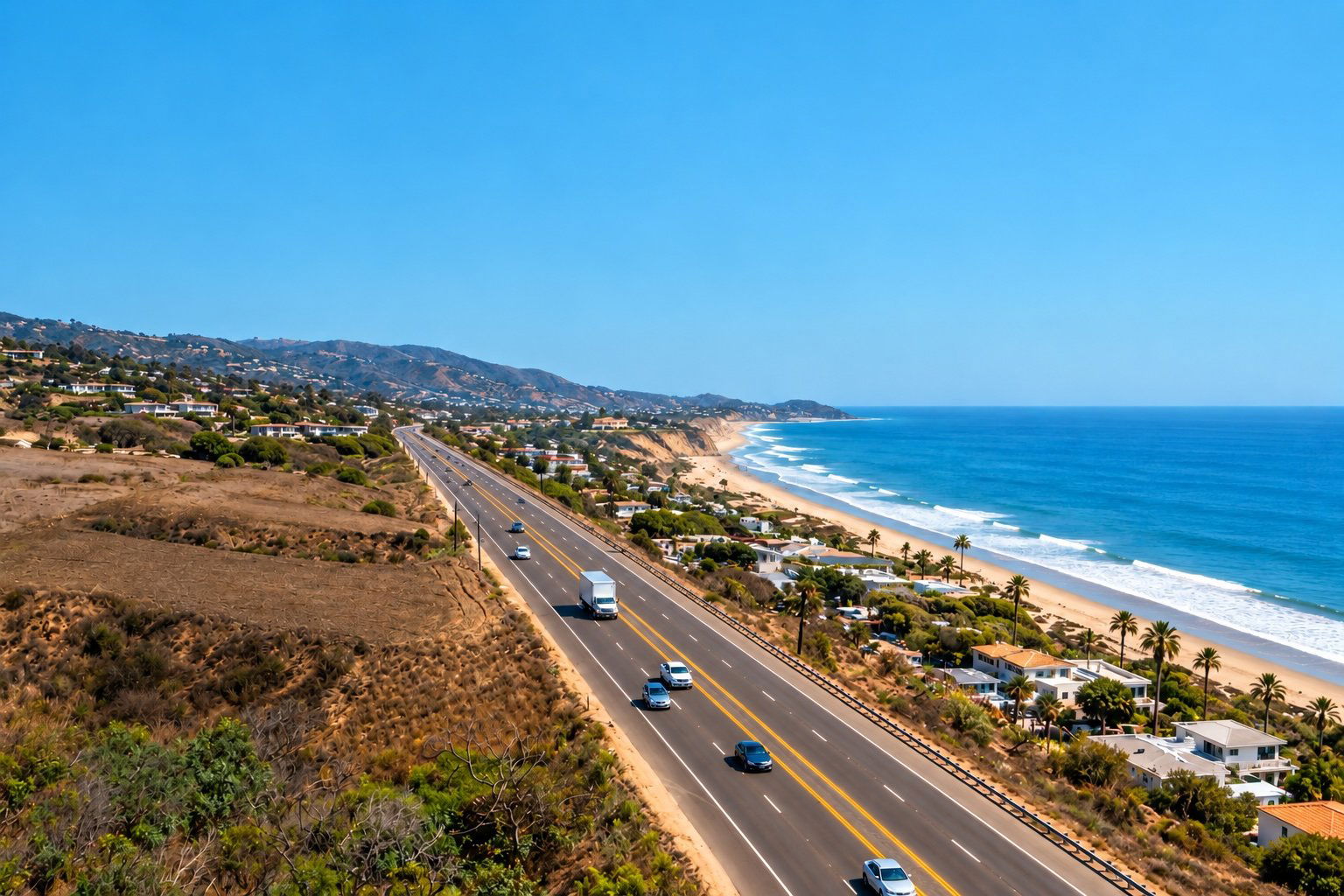
Eastern Malibu accounts for 86% of preliminary detections as city reviews speed limits and completes installation adjustments
Malibu has delayed the warning period for its Pacific Coast Highway speed camera program until November, extending testing while the city completes installation adjustments and examines speed limits in Eastern Malibu — where the vast majority of preliminary speeding detections occurred. From Sept. 16 through Sept. 24, testing recorded approximately 100,000 speeding detections across four camera locations. Approximately 86% occurred in Eastern Malibu, according to the city. The warning period had been scheduled to begin in late September.
The concentration of detections places added attention on the city’s ongoing traffic study, which is evaluating existing speed limits and affects the Carbon Canyon and Tuna Canyon camera locations. The study is expected to conclude in November. The city has not announced whether posted limits will change.
For motorists, the immediate consequence is that the cameras remain in a testing phase. The city says they are not issuing warnings or citations, accessing DMV driver information or taking enforcement action. A camera flash during testing does not result in a ticket.
For the program, the hold leaves two central issues unresolved: what adjustments are needed to prepare the equipment for enforcement, and what the Eastern Malibu study will conclude about the speed limits used at those locations.
Malibu’s system uses lidar technology to measure vehicle speeds and is designed to activate when a vehicle travels at least 11 mph above the posted limit. That makes the applicable speed limit a critical part of determining which vehicles qualify for warnings or penalties. Any change to a posted limit would also change the enforcement threshold.
The approximately 100,000 detections are preliminary records, not issued citations or a count of individual drivers. The city’s announcement does not provide total passing traffic, a breakdown of recorded speeds or information about vehicles detected more than once.
Without those details, the figures cannot establish what percentage of motorists were speeding. They also do not explain why Eastern Malibu accounted for such a large share of detections or establish that the cameras or posted limits are incorrect.
A breakdown by location, direction of travel, recorded speed, and applicable limit would help clarify the results. Comparing detections with total traffic would also show whether Eastern Malibu had a higher rate of speeding or simply more vehicles passing the cameras.
The delay pushes back the financial enforcement timeline as well. State law requires warnings during the program’s first 60 calendar days. If warnings begin in November, paid enforcement would follow approximately in late December or January, depending on the activation date. The city has not announced a revised date for citations.
The previous schedule called for warnings beginning in late September and penalties beginning in late November. During enforcement, the cameras will capture a vehicle’s rear license plate for review and processing. The resulting citations are civil penalties that do not carry driver’s license points or insurance penalties, according to the city.
The postponement comes nearly three years after a tragedy that galvanized demands for stronger action on PCH. On Oct. 17, 2023, Pepperdine University seniors Niamh Rolston, Peyton Stewart, Asha Weir and Deslyn Williams were killed in a crash along the highway. Their deaths intensified a community campaign to address dangerous driving and roadway conditions.
Malibu declared a local PCH safety emergency on Nov. 13, 2023. The effort that followed brought together city officials, state and county representatives, law enforcement agencies, Caltrans and community advocates seeking stronger enforcement and infrastructure improvements.
Sen. Ben Allen authored Senate Bill 1297, which Gov. Gavin Newsom signed on Sept. 27, 2024. Effective Jan. 1, 2025, the legislation authorized Malibu to establish automated speed enforcement at five locations along PCH.
“The signing of SB 1297 today is a huge win for the safety of Malibu visitors and residents,” Allen said when the bill became law.
The legislation identified Malibu’s particular roadway challenges, including limited sidewalks and separated bicycle lanes, popular beaches and businesses beside the highway, and few safe crossing opportunities. It also cited staffing shortages that limited the availability of additional traffic patrols. The camera program requires Malibu to continue funding its additional California Highway Patrol enforcement.
The city held public meetings about the proposed program in April 2025 and subsequently made its draft use policy and impact report available for public review, required steps in preparing the system for implementation.
The June 2025 impact report illustrates the scale of the safety problem. Of 672 crashes recorded citywide between 2019 and 2023, 546 occurred on PCH. Within one mile of the five proposed camera locations, the report identified 64 crashes involving fatalities or severe injuries.
The report proposed camera locations near Decker Road, Morning View Drive, Latigo Canyon Road, Carbon Beach Terrace and Tuna Canyon Road, with exact placement subject to field observations and construction recommendations. The intended spacing was designed to encourage slower driving throughout the corridor.
That history gives the current delay significance beyond a change in dates: Malibu is approaching the enforcement stage of an initiative developed over several years, while the preliminary results raise questions about the conditions at two of its eastern locations.
The immediate focus is on what the testing and traffic study establish before enforcement begins. The city has not detailed the installation adjustments or released the speed-limit study’s findings. Those answers, along with a firm activation date and a fuller explanation of the preliminary data, will determine how the program moves from testing to warnings and eventually penalties.