Local author unearths fascinating Malibu history
By Judy Abel · Sun Nov 15 2026
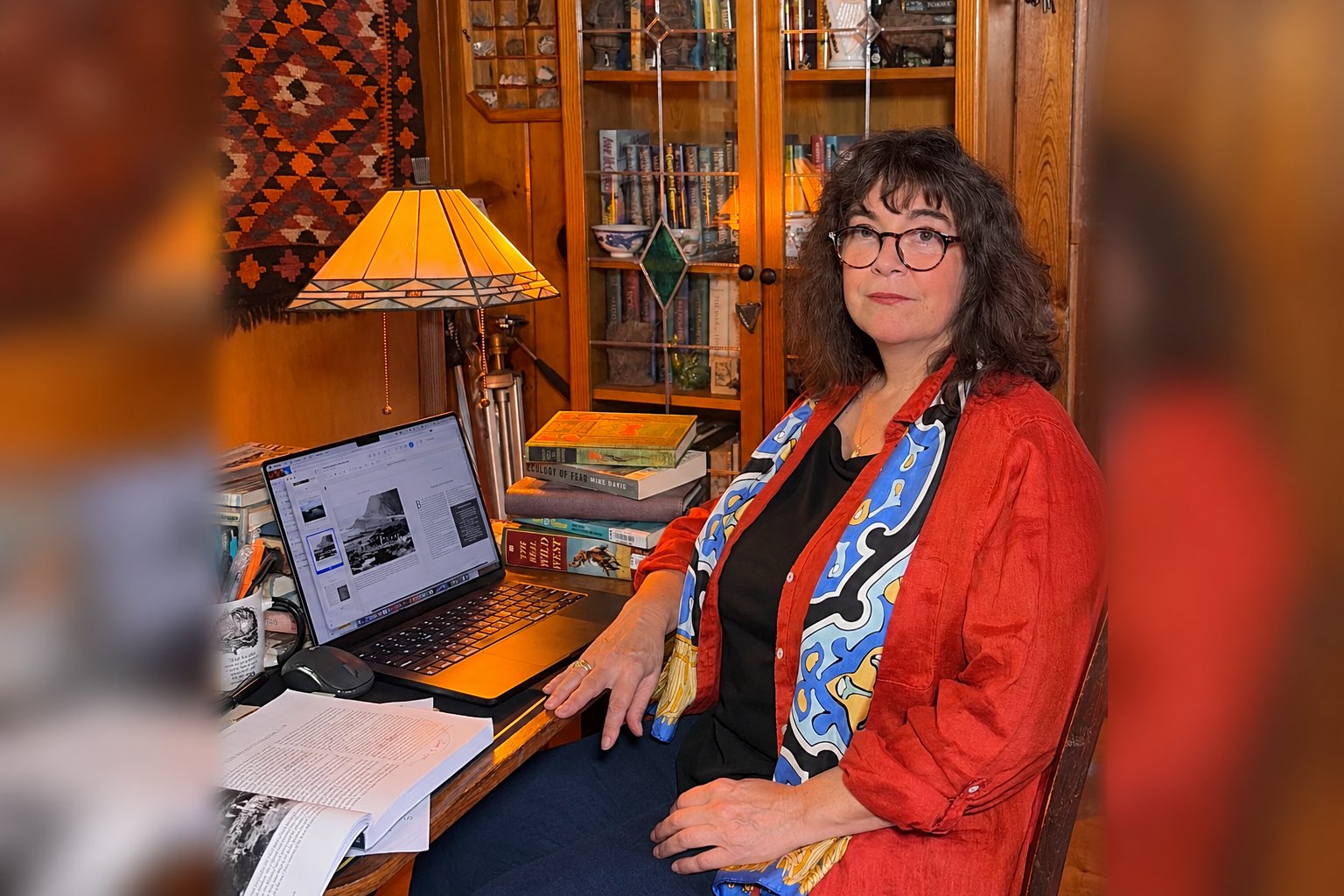
Suzanne Guldimann’s latest book “The Road to Malibu” takes a deep dive into local culture and previously unknown photographs
As the face of Malibu gets rebuilt once again after a devastating fire, it seems appropriate to visit our city’s fascinating past, as local historian Suzanne Guldimann has accomplished in her latest book “The Road to Malibu.” The lifelong Malibu resident, author, historian, and artist has done a deep dive into local history, immersing herself for months in researching Malibu’s rich past and discovering treasures unseen for a century.
“The Road to Malibu,” her third local history book and 13th published work, is chock-full of archival photos ( many previously unpublished), ephemera, postcards, and fascinating facts about Malibu that have been lost through the years. The book covers founding matriarch of Malibu May Rindge’s railroad war, as the tough businesswoman exhausted all her appeals and lawsuits to prevent the Southern Pacific Railroad and, eventually, the Roosevelt Highway, now Pacific Coast Highway, from opening her rancho to outside access.
There’s more than 100 years of history here,” the author explained of her latest book, which also covers the home life of the Rindge family, Malibu Potteries, local piers, the history of surfing, Malibu’s kitschy motels, and the development of Point Dume.
A century ago, Guldimann explains, “Point Dume was really inaccessible. There was no real road out here.” Access was only by horse or mule team in the early days; the military commandeered the area in WWII, and then homes started popping up in the later 1940s, including the home she lives in, originally built by a gentleman named Burt Whalley. Back then there were only a handful of homes on the Point, including that of the novelist John Fante. Mrs. Whalley and Mrs. Fante actually communicated by flashing mirror signals in order to avoid the area’s party-line telephone. There were no trees or other homes interrupting the entire width of the Point, allowing what was probably Morse code in those days.
A thirst to document Malibu’s rich history and preserve it is in Guldimann’s DNA. Her father, John Guldimann, bought the family home in 1969 expecting a peaceful, rural life near the ocean. Instead, they got launched into a campaign in the 1970s to preserve the Point Dume Headlands that was threatened by a proposed nuclear power plant and even a freeway proposed by the county at the time. Guldimann vividly remembers accompanying her parents to meetings crucial in stopping “ridiculous projects.”
“We would all pile onto buses and go downtown to object to offshore oil drilling. I remember going as a small child to those meetings, so that was part of my life.
“But my dad also was interested in local history. He was very well connected. Everyone knew him, and he knew everyone.” Guldimann then recounted a noteworthy call to her home. “When I was about 5, we had a call coming in. I was told to answer the phone and say, ‘Guldimann, residence. May I ask who's calling?’” Then, in a somewhat haughty mid-Atlantic accent, Guldimann re-enacted that phone call. “‘This is Gloria Swanson,’” the voice on the other end of the line said. “I had no idea who Gloria Swanson was at the time,” she said of the silent movie legend. Swanson had a place in the Malibu Colony and was calling for the elder Guldimann to ask him about something going on in town.
“I grew up in that environment,” the author continued. “I've always been interested in things and wanting to know more about them. So I think that planted the seeds, but dad loved the local history, and I think I learned that from him, and there's so much to know here, so much more to learn. The more I learn, the more I realize I don't know as much as I think I do.”
Guldimann’s curiosity led to wonderful discoveries during her months of research at the Payson Library at Pepperdine University and also at the prestigious Huntington Library in San Marino. Her findings include coastal development from the Victorian era to its evolution into California’s much-imitated beach culture. The book “is a nostalgic backwards glance.” Guldimann uncovered so many quirky details about Malibu life pre-cityhood, there’s sure to be a sequel to “The Road to Malibu.” “It was a wonderful, crazy time in local history,” she added.
“It was a joy to research this book,” according to Guldimann, who was especially delighted in uncovering photographs of the Rindge’s family life from playing with puppies to riding a roller coaster.
“You know, so many of the things I wrote about in this book aren't here anymore for various reasons. [In the aftermath of the Palisades Fire] there will be new houses and new memories made, but it won't be the way it was. Sometimes it's helpful to stop and take a look back at where we've been. So we have a better idea of where we're going.”
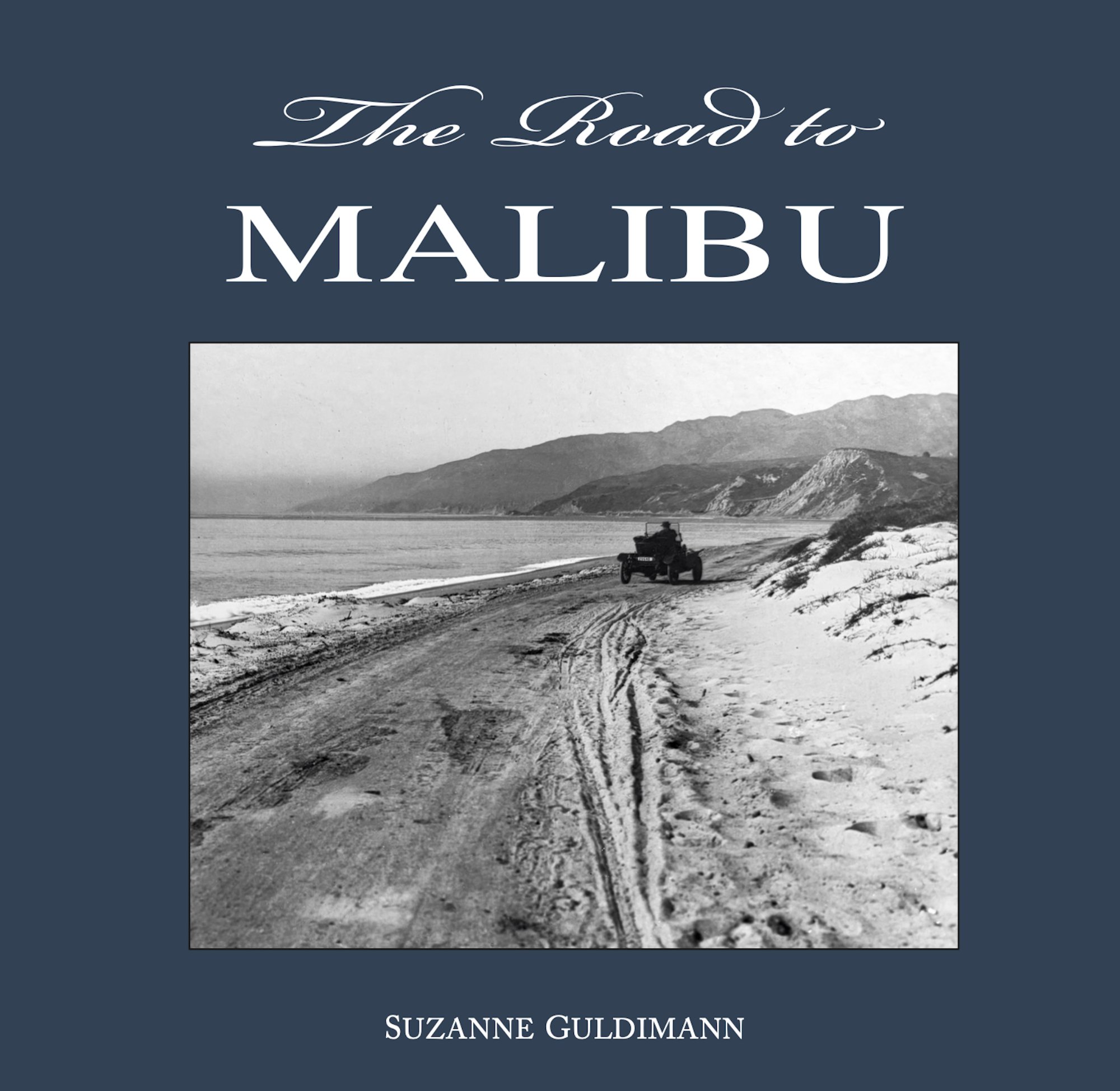
“The Road to Malibu” is available on Amazon or ordered directly through westofthemoonbooks.com.