Financial instability exposed in Malibu mansion development
By Judy Abel · Sat Nov 07 2026
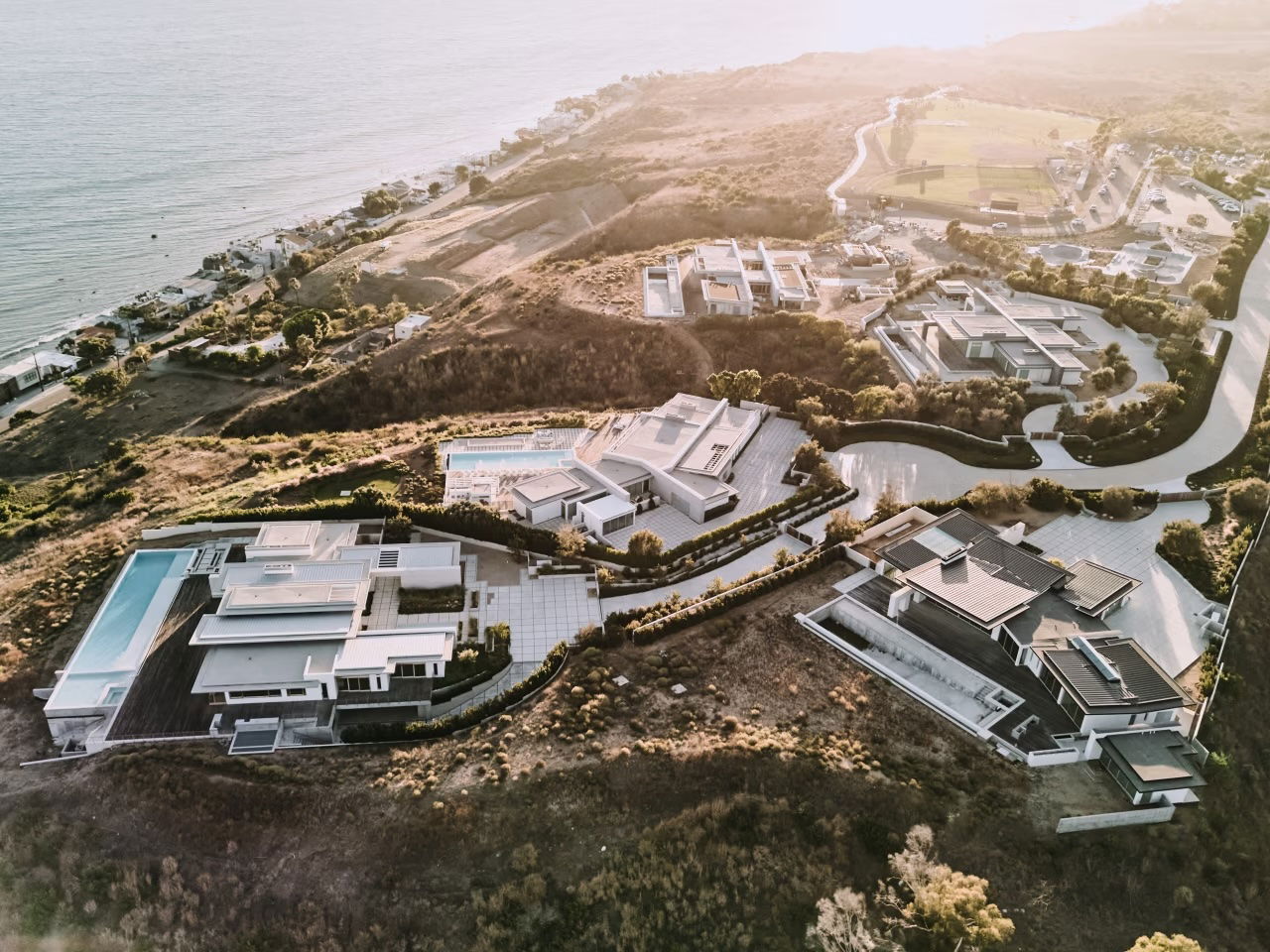
National newspaper details unraveling of project next to city’s skatepark
The development of one of the ritziest housing enclaves in the U.S., located right here in Malibu, appears to be in financial trouble according to the Wall Street Journal. The national publication specializing in financial issues and the economy published a scathing expose Oct. 30 on Scott Gillen, the developer of five multimillion-dollar homes called “The Case” located on Malibu Road, abutting the city’s new skatepark. The newspaper claims the $500 million project is on the verge of collapse amid bankruptcy filings, mounting debt, and a legal dispute with financial partners. The WSJ report questions Gillen’s management of the project, pricing strategy, and discloses a previously unknown criminal history.
Gillen bought what was known as the Crummer property in 2017 for a record-shattering $50 million in order to develop The Case mansions. He envisioned pricing the estates between $40 million and $100 million each, potentially generating close to half a billion dollars in sales. But nearly a decade later, only one of the five homes has been purchased for a reported $61 million. With the resulting stagnant investment, entities associated with Gillen filed for Chapter 11 bankruptcy protection, and now Gillen faces a bankruptcy court fight with his financial partner in the project, Barry Shy.
According to the WSJ, Shy's company claims it provided a $260 million promissory note to the development in 2021. Shy's side says approximately $120 million in principal remains outstanding and that, including interest, Gillen owes more than $240 million. The two developers disagree on the numbers. Shy also claims Gillen has mismanaged the unfinished properties, raising concern that they could deteriorate, become vulnerable to vandalism, or even lose insurance coverage if premiums are unpaid.
Gillen, in turn, has accused Shy of deception, fraud, forgery, and self-dealing in an effort to take control of the development. Gillen also claims Shy stopped providing funding in 2025 to force him out of the project. These allegations remain part of the ongoing legal dispute.
The WSJ reporter alleged that the exceptionally high asking price for the Case homes has discouraged potential buyers who at those rates would not want to live in a subdivision.. She also divulged a previously unreported 1987 murder charge against Gillen involving the killing of a reputed drug dealer when Gillen was in his 20s and using the name Scott Ashley. He was ultimately convicted by a jury of the lesser offense of being an accessory to a felony, according to court records. He received felony probation after spending time awaiting trial in Los Angeles County jail.
Before the skatepark was ultimately opened in June of this year, Gillen, 66, had a contentious relationship with the city and skatepark advocates who waited for years for the park’s development.
As part of the deal for The Case development Gillen donated part of the raw land to Malibu and $1 million for skatepark construction that eventually totaled more than $4 million to build. But the deal soured in 2023 when Gillen filed an appeal and verbally threatened a lawsuit, claiming the city changed the design of the skatepark that would negatively impact his luxury development.
With only a verbal threat and no lawsuit filed, city officials capitulated to Gillen’s demands that the skatepark be alteredsomewhat to lessen noise to his neighboring luxury homes. The city’s decision didn’t sit well with City Councilmember Steve Uhring, who criticized the city attorney’s move, saying in 2024, “it eliminated our ability to defend ourselves and gave more power to Scott Gillen …” Councilmember Doug Stewart publicly asked Uhring to save personal opinions about staff members to private conversations with Uhring countering, “If I’ve got an opinion, I’m going to say it.”
Councilmember Bruce Silverstein sent a letter to the Public Integrity Division of the Los Angeles County District Attorney’s Office reporting that his fellow councilmembers at the time met twice to discuss Gillen’s threatened lawsuit, alleging a violation of the Brown Act that generally requires deliberations by legislative bodies to be held in public.
Silverstein alleged councilmembers Marianne Riggins, Doug Stewart, and then councilmember Paul Grisanti met behind closed doors to work out a deal. But Grisanti said he favored avoiding litigation, agreeing to Gillen’s demands to move the park a few feet away from the homes and stated, “You also realize the whole reason we have this piece of property is because they made a deal to give it to the City of Malibu.”