Experts discuss how bioremediation can cleanse your fire-affected land
By Judy Abel · Tue Feb 17 2026
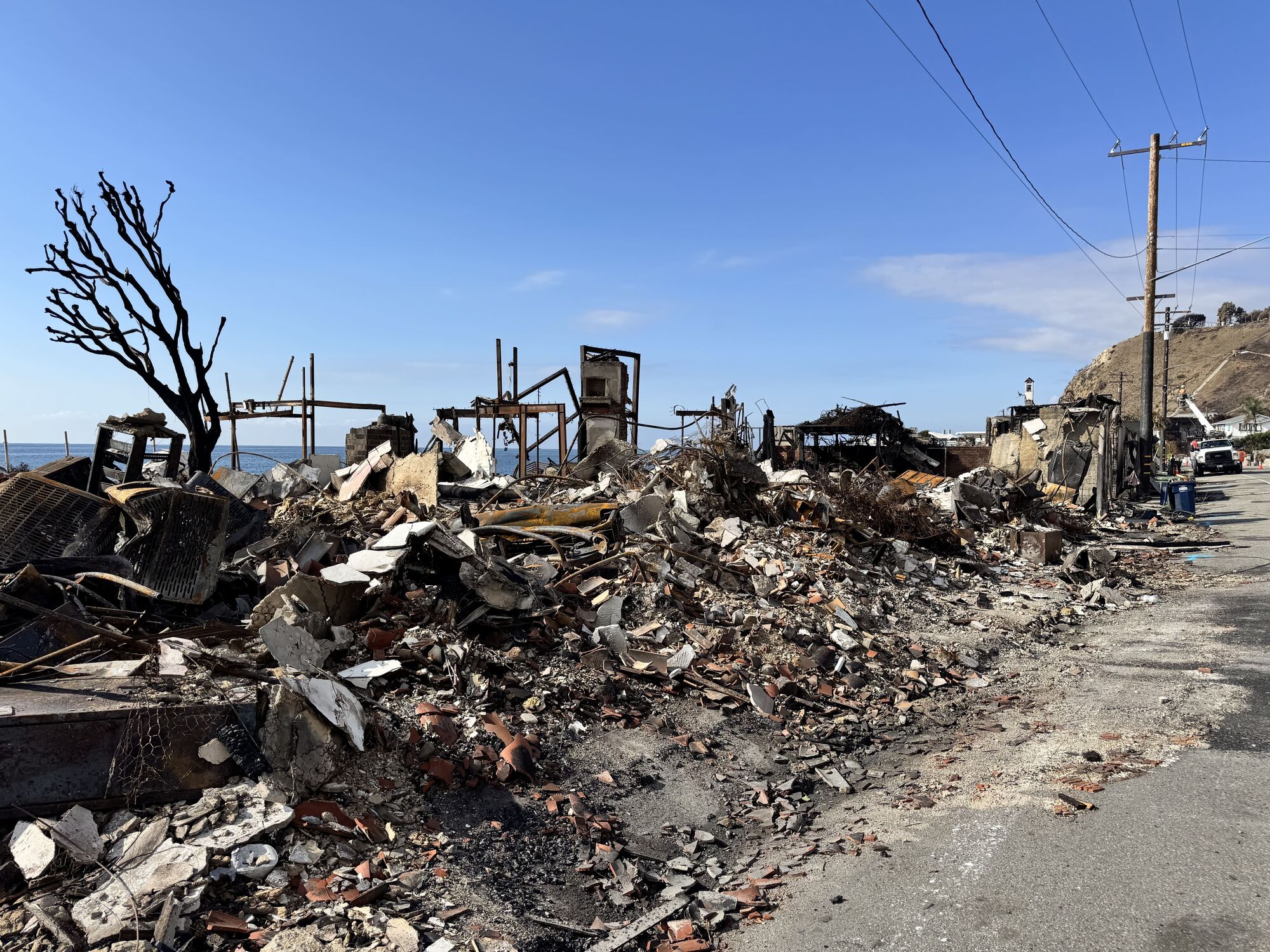
Bioremediation can be a less expensive but longer process
After a group of local scientists from UCLA, USC, and other nonprofits — calling themselves CONSORTIUM (Community-Oriented Network for Scientific Observation, Recovery, and Tracking of Impacts from Urban Megafires) — released initial findings after a year of testing for toxins in the Eaton and Palisades burn scar areas, the group presented insights on how to remediate properties affected by the wildfires.
CONSORTIUM underscored that there would be wide variability in harmful chemicals across each property tested and "that there's no one-size-fits-all solution for remediation," according to iO Wright of the nonprofit PostFire.org, which presented the findings last week. However, CONSORTIUM discussed two remediation options for soil that they claim are widely trusted.
The first is scraping your lot, which was carried out by the U.S. Army Corps of Engineers, that removed 6 inches of topsoil from ash footprints of burned homes. Depending on lot size, this could leave untouched soil that a property owner may wish to have scraped by a contractor for disposal at a hazardous waste facility. This remediation method typically involves testing the soil for toxins until a safe threshold is met, so fresh, clean soil can be laid over the top. "That is one of the most fail-safe methods of remediation," said Wright. However, the scraping method can be expensive.
An alternative is bioremediation — sometimes called ecological remediation — a much slower process, but drastically cheaper than scraping a lot. The process mimics nature by drawing on principles of ecology to not only address pollution but also restore ecosystem function and biodiversity. Ecologists work with nature's own cleaning systems by using living organisms — fungi, bacteria, and plants — to clean up polluted soil and water. Certain fungi are especially good at starting this process. They can attack tough contaminants like oil or pesticides and break them into smaller pieces. Once the fungi get started, bacteria and other microbes move in to finish the job. It's like nature's assembly line for cleaning up messes.
When ecologists arrive at a contaminated site, they start by testing the soil and water to identify which pollutants arepresent. Once that is determined, they choose the right organisms for the job — selecting specific fungi, bacteria, and plants known to break down those particular contaminants. The site is then prepared by adding nutrients, adjusting pH levels, or mixing in materials like compost to help organisms thrive. If the site-specific organisms are not already present, ecologists may add fungal spores, bacterial cultures, or plant-specific vegetation.
The process can take a year or more, so progress must be monitored by regularly testing contamination levels and adjusting conditions as needed. By using multiple species rather than just one — since different organisms tackle different pollutants and work better together — ecologists can prioritize local species that naturally grow in the area and ensure the most important "cleanup species" are present and healthy, allowing nature to do the heavy lifting of restoration.
Because urban wildfires create toxins from burning plastics, batteries, and synthetic materials, and because toxicity levels can vary across different areas of one site, property owners may wish to use a combination of both methods to facilitate a rebuild: using the scraping method for the site's foundation and selecting customized bioremediation for other areas of their lot through controlled human intervention that can speed up natural processes.
UCLA professor Dr. Shaily Mahendra of CONSORTIUM said bioremediation is “just the way nature cleans and heals itself. It is a slow process. That's how earth restores and renews itself. As a technology, we are referring to what we call enhanced or engineered bioremediation … that means what nature would take hundreds of years to do, we could do in one year and speed it up … nature will take care of it. This is a little more monitored, more documented. This is a ramped-up, custom solution that would be very useful in certain areas, particularly post-fire soil applications.”
Dr. Danielle Stevenson, founder of the nonprofit Centre for Applied and Ecological Remediation (CAER), stated that CAER, which partners on bioremediation services in collaboration with landscape architects, uses EPA methodology. "We follow all the steps needed to be in compliance with legal and regulatory frameworks, which is really an important thing to consider when selecting a remediation option for your site. Just to ensure that whoever you contract is going to give you the data you need — that will help you with a lawsuit or insurance claim, or if you plan to sell the lot down the line — it's going to be really important to have the right types of documentation about the remediation process and the testing that's been done."