LA County moves to raise sales tax to state maximum
By Barbara Burke · Fri Feb 20 2026
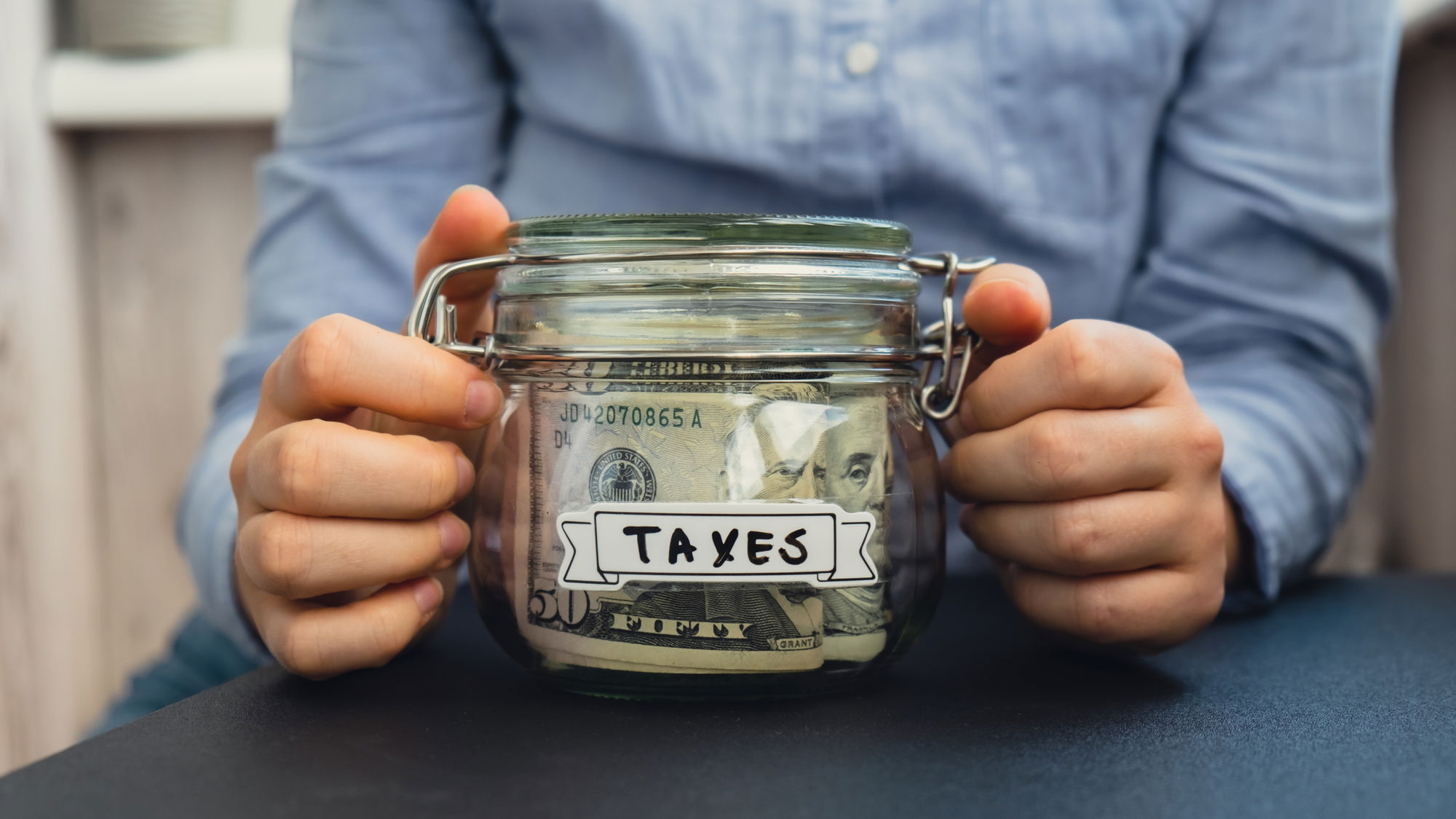
If voters approve the half-cent hike in June, Malibu’s rate would remain at 10.25% — the highest allowed
If a proposed temporary one-half-cent countywide sales tax increase is approved by voters in June in the primary elections, the costs of goods and services will cost even more for Malibu residents, with the countywide sales tax increasing to 10.25%, the maximum state law allows. The proposed additional sales tax would help to address federal healthcare funding cuts and protect public hospitals, clinics, and safety-net services.
The term “sales-tax increase” may sound familiar to readers because the county sales tax already increased in April 2025 when voters approved Measure A, a half-cent sales tax hike that replaced Measure H, a quarter-cent sales tax, with those revenues being allocated to support homeless prevention initiatives.
County sales taxes apply inside incorporated cities such as Malibu, even though cities themselves do not control county tax measures. Currently, the combined sales tax rate in Malibu is 10.25%, a rate that includes a combination of California’s six percent state sales tax and an additional 4.25% of taxes consisting of LA County taxes and local district taxes. The sales taxes apply to taxable goods and services, including dining. If the measure passes in June, some L.A. County cities in the Antelope Valley will face a possible 11.75% sales tax rate.
On June 11, after heated debate, the Los Angeles County Board of Supervisors passed the Essential Services Restoration Act, asking voters to enact a half-cent general sales tax increase for five years, through Oct. 1, 2031.
The measure, which passed with a 4-1 vote, with Supervisor Kathryn Barger dissenting, aims to raise revenues needed to support county-provided health care services that are underfunded due to reductions in state and federal funding. The tax increase would generate an estimated $1 billion, according to the county. The measure would include oversight by a committee and audits, but final language for the measure has not yet been adopted.
The two sponsors of the county measure, Supervisors Holly Mitchell and Hilda Solls, worked on the proposal with Restore Healthcare, a coalition of health care organizations and workers. Coalition members have said that if the supervisors had not approved the proposal, they would begin a signature-gathering campaign to place the measure on the November ballot.
“Unfortunately, after exhausting every existing alternative, this temporary measure is the only option that can be implemented quickly enough to prevent hospital closures and the loss of health care access for at least hundreds of thousands of residents,” the motion states.
A similar tax sales hike was approved by Santa Clara County voters in November to address reduced federal funding for health care and some labor unions are pressing for a proposed statewide billionaires’ tax to support the state’s health care system.
Last year’s federal budget bill, known as the “One Big Beautiful Bill Act,” approved by Congress and signed by the President Donald Trump, set forth budget reductions in health care funding, causing reduced funding to Medi-Cal, the motion noted. “The county’s most impacted departments face projected losses totalling $2.4 billion over the next three years,” the motion recounts. “Due to funding losses, county officials have already initiated hiring freezes and are contemplating service consolidations, potential layoffs of 5,000 staff, and facility closures in the coming years.”
The state’s recent cuts to funding for Medi-Cal add insult to injury, the supervisors noted. California discontinued enrolling undocumented immigrants for health care and is expected to cut non-emergency dental care for immigrants here illegally who are already enrolled in the program. Starting in July 2027, California will charge a $30 monthly premium for immigrants who remain on the program, including those with legal status. Federal law does not fund health or dental care for persons who are illegally in the country.
Significant criticism from contract cities and tax reform advocates
The Board of Supervisors is facing strong criticism for its passing of the measure, especially because public employees’ salaries were recently increased. The Howard Jarvis Taxpayers Association faults the proposed sales-tax increase, issuing a statement arguing, “The sales tax is already too high in Los Angeles County, so high that the most recent half-percent tax for homelessness services required special legislation from the state to allow it to exceed the cap on local sales taxes that is in state law. Raising the sales tax again is unreasonable and unfairly harsh on those who are least able to afford it.”
California Contract Cities Association strongly opposes the county-wide sales tax increase
Out of the 88 cities in Los Angeles County, a total of 42 are contract cities, including Malibu, meaning that those cities contract with the county or another city to provide municipal services such as police, fire, or public works such as waste disposal, rather than providing those services through their own city departments.
Marcel Rodarte, executive director of the California Contract Cities Association (CCCA), informed the Board of Supervisors that the organization opposes the tax increase because it, “is concerned the measure would burden the very residents the county seeks to protect, who are facing historic affordability pressures on housing, food, fuel, utilities andchildcare costs.” The statement argued, “This half-cent countywide sales tax increase would push the combined sales tax rates in some cities to over 11 percent, further straining household budgets. At the same time, cities are confronting their own structural budget challenges and are deeply worried about how to best address fiscal issues without compounding economic pressure on residents who are least able to absorb it. This is particularly distressing in the context of L.A. County seeking a legislative exemption that would allow this sales tax measure to bypass the state cap on local sales taxes.
"If such legislation passed, struggling cities that are already at or near the cap would be left overlooked with limited future fiscal options to support much-needed local services in their communities.”
“Backfilling federal funding cuts on the backs of county taxpayers is not acceptable.”
Other opponents of the measure assert that the tax increase will have a regressive tax impact on low-income residents as it applies to essential restaurant and retail purchases.
Barger, the sole supervisor voting against the measure also voiced vociferous opposition.
“Backfilling federal funding cuts on the backs of county taxpayers is not acceptable,” she said in a statement after the vote. “Los Angeles County residents are already stretched thin. Last year, Bloomberg News reported that Los Angeles now has the highest sales tax of any major metropolitan region in the nation.
"This proposed half-cent increase would push us even higher, making our county less affordable for families and less appealing for consumers to shop and businesses to operate. We are risking imposing higher everyday costs and small businesses and employers choosing to leave Los Angeles County altogether.”
Will tax revenues will be allocated to non-healthcare expenses?
The CCCA said, “there are significant flaws in the sales tax measure’s revenue model,” because the supervisors’ motion states that the funds generated by the measure would go into L.A. County’s General Fund, which technically classifies the dollars as unrestricted operating funds in future years. Structuring the proposed sales tax increase in this manner requires only a simple majority of voters to pass, whereas if the tax is structured as a special tax, two-thirds of the voters would have to approve the measure in the June election. Sharing such concerns, the Taxpayer Association is trying to qualify an initiative constitutional amendment to rescind recently approved special taxes and ensure a two-thirds vote requirement for all special taxes.
CCCA also stated that it “feels strongly that if a measure of this kind is established, it should be structured as a special tax to ensure there are guardrails on the revenue that is going towards protecting residents’ health needs. Voters and taxpayers deserve complete transparency, not creative structuring, when asked to shoulder additional tax burdens.
“Second, we are concerned about the temporary nature of the tax. While the motion states the measure will only be effective from Oct. 1 to Oct. 1, 2031, other temporary L.A. County measures have recently been extended (i.e., Measure H evolving into Measure A in 2024). Now, residents reasonably question whether temporary taxes are, in practice, permanent. Further, if this general sales tax measure were to be extended, it would have serious, long-term implications on cities’ ability to generate needed revenue.”
Accordingly, the CCCA respectfully requested that the board reconsider its approach to raising revenues for health care and “enter into open dialogue with cities about how we can work together to address the fiscal challenges of today without overburdening one another. Solutions must be equitable, transparent, and mindful of the cumulative impact on residents already struggling with affordability.”
Some cities in the Antelope Valley could face a possible 11.75% sales tax rate
The CCCA also acknowledged that the federal funding cuts are affecting local governments across California and stated that it welcomes, “conversations about advancing a statewide tax measure that could go towards supporting county-level health and safety net services in Los Angeles and beyond.”
The Malibu Times has reached out to the City of Malibu to inquire whether it intends to make a statement about the proposed tax measure, but the city had not responded as of press time.